
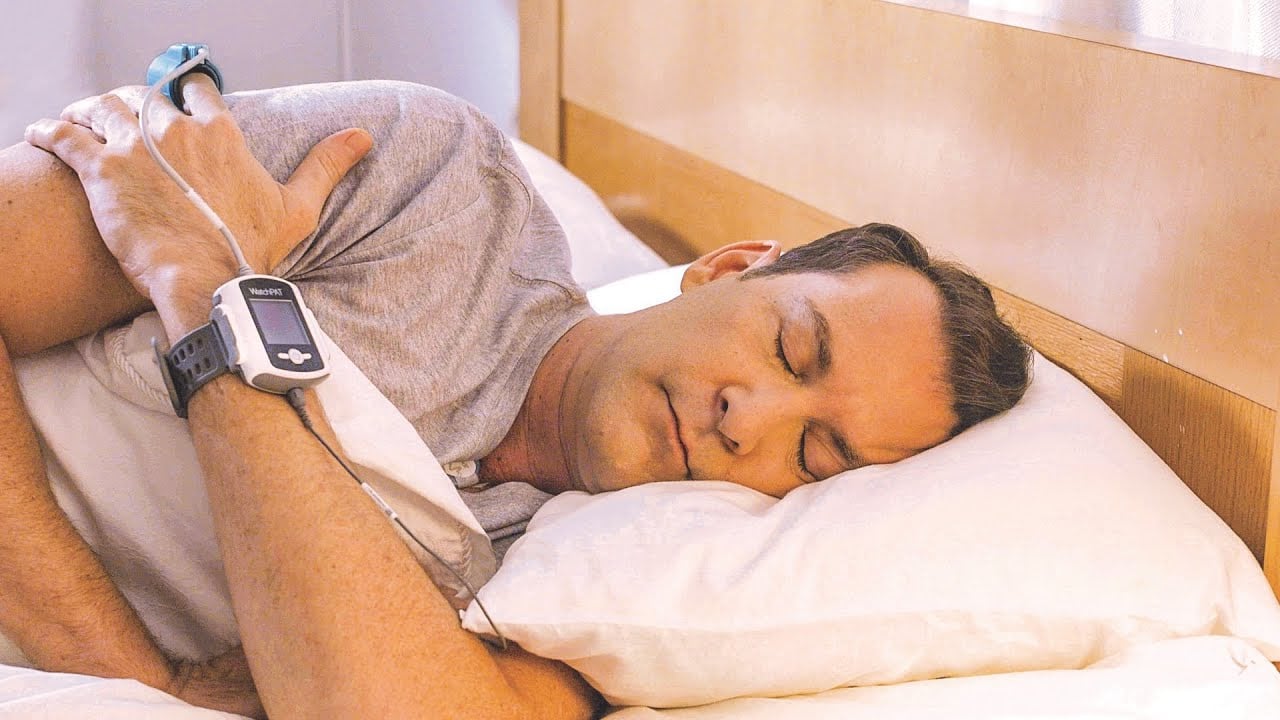
7 Signs You Might Need Sleep Testing Sooner Than You Think
Sleep testing can help identify problems like obstructive sleep apnea (OSA), central sleep apnea, periodic limb movement disorder, and other sleep-related breathing issues. Here are seven signs that may suggest it’s time to consider it.
Are they waking up tired even after a full night in bed?
If they regularly get 7 to 9 hours and still wake up exhausted, it may be a sign to consider sleep test rather than waiting for symptoms to worsen. Something may be interrupting sleep quality, which can look like “light sleep,” frequent micro-awakenings, or breathing events they don’t remember.
A pattern of unrefreshing sleep, especially when it lasts weeks or months, is a common reason clinicians recommend testing.
Do they snore loudly, or has someone noticed breathing pauses?
Loud, persistent snoring can be more than a nuisance. If a partner reports choking, gasping, snorting, or pauses in breathing, that is a classic red flag for sleep-disordered breathing.
Even if they feel “fine,” witnessed pauses are significant because oxygen drops and sleep fragmentation can happen without clear awareness the next day.
Are they unusually sleepy during the day?
If they doze off while reading, watching TV, sitting in meetings, or as a passenger in a car, it may signal that sleep isn’t restorative. Daytime sleepiness is not always “just stress” or “getting older.”
Excessive sleepiness can also increase safety risks, especially for anyone who drives for work or has a long commute.
Do they wake up with headaches, a dry mouth, or a sore throat?
Morning headaches can be linked to overnight oxygen changes, poor sleep continuity, or carbon dioxide retention in some cases. Dry mouth and sore throat often suggest mouth breathing, which can occur when airflow is obstructed.
If these symptoms show up repeatedly, especially alongside snoring or fatigue, testing may clarify whether breathing issues are contributing.
Are their mood, focus, or memory getting worse?
Sleep disruption can show up as irritability, anxiety, low mood, or a short fuse. It can also look like brain fog, forgetfulness, or difficulty staying organized, even in someone who used to be sharp.
When concentration problems persist despite “enough time in bed,” it’s reasonable to consider whether sleep quality is the missing piece.
Do they have high blood pressure or other cardiometabolic risk factors?
Sleep apnea is commonly associated with high blood pressure and can make it harder to control. It’s also frequently seen in people with type 2 diabetes, insulin resistance, and certain heart rhythm issues.
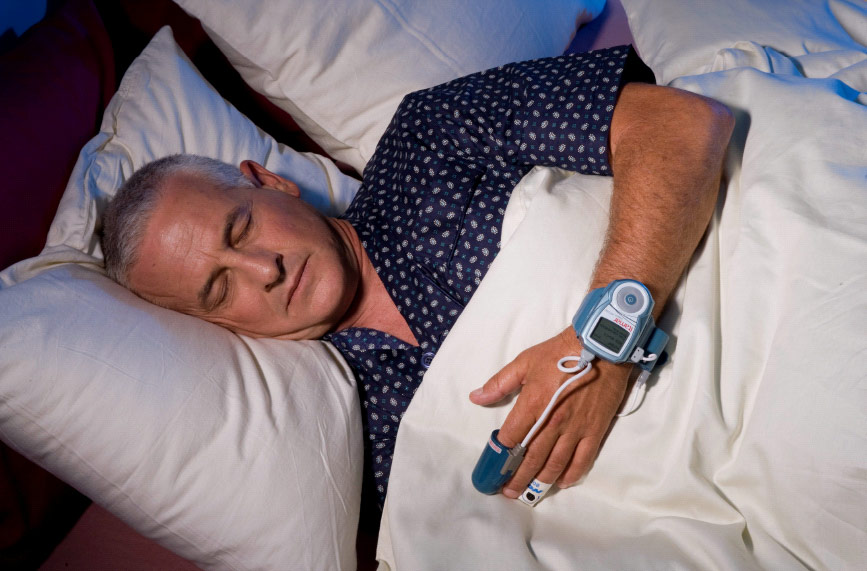
If they have these conditions and also snore, feel tired, or wake frequently, a sleep study can be a practical next step rather than a last resort. See sleep study cost compared with other diagnostic tests.
Are they waking often at night, sweating, or needing to urinate?
Frequent nighttime awakenings can happen for many reasons, but sleep-disordered breathing is one of the overlooked ones. Some people wake up with a racing heart, night sweats, or a sudden need to urinate.
If they’re getting up multiple times a night and can’t explain why, a sleep study may help identify whether breathing events are triggering those wake-ups.
What should they do if several signs sound familiar?
If they recognize two or more of these patterns, it’s worth discussing sleep testing with a clinician. Many people start with a home sleep test, while others may need an in-lab study depending on symptoms, medical history, or suspected complexity.
The goal is simple: find out what’s happening during sleep, so they can treat the root cause instead of coping with the symptoms.
FAQs (Frequently Asked Questions)
What are the common signs that indicate it might be time for sleep testing?
Common signs include waking up tired despite a full night’s sleep, loud snoring or observed breathing pauses during sleep, excessive daytime sleepiness, morning headaches or dry mouth, worsening mood or memory issues, high blood pressure or other cardiometabolic risks, and frequent nighttime awakenings with symptoms like sweating or needing to urinate.
Why is waking up tired even after 7 to 9 hours of sleep a concern?
Waking up exhausted despite adequate sleep may indicate interrupted sleep quality due to light sleep phases, frequent micro-awakenings, or unrecognized breathing events such as those caused by sleep apnea. Persistent unrefreshing sleep over weeks or months is a key reason to consider sleep testing.
How does loud snoring relate to potential sleep disorders?
Loud and persistent snoring can signal obstructed airflow during sleep. If accompanied by observed choking, gasping, snorting, or breathing pauses, it strongly suggests sleep-disordered breathing like obstructive sleep apnea, which warrants further evaluation through sleep testing.
Can daytime sleepiness be a sign of a serious sleep problem?
Yes. Excessive daytime sleepiness—such as dozing off during reading, meetings, or as a passenger in a car—may indicate non-restorative sleep caused by underlying conditions like sleep apnea. It also poses safety risks and should prompt consideration of a sleep study.
What health conditions are linked to untreated sleep apnea?
Untreated sleep apnea is commonly associated with high blood pressure that is difficult to control, type 2 diabetes, insulin resistance, and certain heart rhythm abnormalities. If these conditions coexist with symptoms like snoring and fatigue, sleep testing is advisable.
What steps should someone take if they recognize multiple signs of poor sleep quality?
If two or more symptoms such as fatigue, loud snoring, daytime drowsiness, or frequent night awakenings are present, it’s important to discuss these concerns with a healthcare provider. They may recommend starting with a home sleep test or an in-lab study to diagnose and treat the root cause effectively.
7 Signs You Might Need Sleep Testing Sooner Than You Think Read More »