

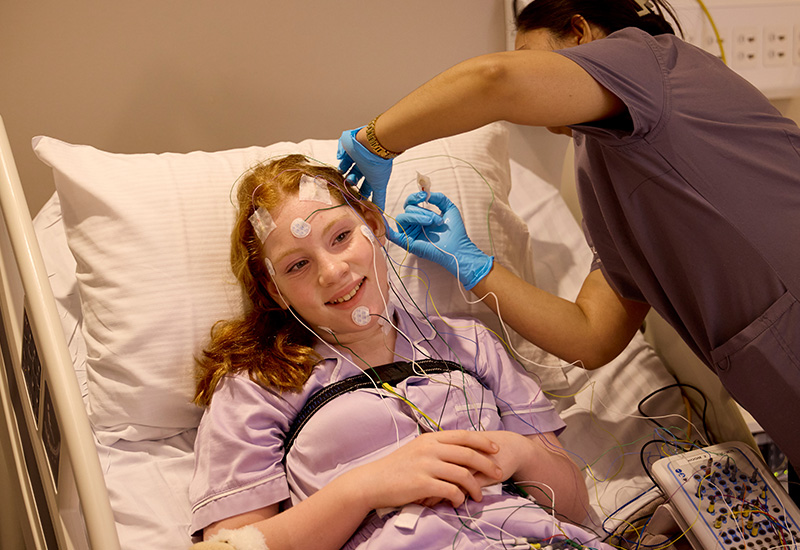
The most important detail is this: the “sleep study cost” people hear about is usually a hospital billed price, not what someone actually pays after insurance, discounts, or a home testing option.
What does a sleep study usually cost?
The cost of a sleep study test can range from roughly $150 to $3,000+, depending on whether it is a home sleep apnea test (HSAT) or an in-lab polysomnogram (PSG).
Home tests often sit on the lower end, while in-lab studies cost more because they use overnight staffing, specialized equipment, and longer monitoring. Their final out-of-pocket cost depends on insurance coverage, deductible status, and whether the lab is in-network.
Why can the same sleep study price vary so much?
Prices vary because the “same” sleep study is not always the same service. In-lab testing may include more sensors, different scoring rules, additional daytime testing, or a split-night protocol that includes CPAP titration.
Geography matters too. A hospital-based sleep lab may bill more than an independent lab, and cash-pay rates can differ sharply from insurance-negotiated rates.
How much is a sleep study compared to an MRI?
A sleep study is often cheaper than an MRI at the billed-price level, but the comparison depends on the body part and setting. Many MRIs commonly land somewhere in the hundreds to several thousand dollars range.
A key difference is that an MRI is usually a single session lasting under an hour, while an in-lab sleep study is an overnight procedure with technologist monitoring, which can push facility fees higher.
How much is a sleep study compared to a CT scan?
A sleep study can be similar to or higher than some CT scans, especially if the sleep study is done in a hospital lab. CT scans vary widely based on contrast use, facility, and region, but they often fall in the hundreds to low-thousands.
CT scans are also more likely to be priced as a single imaging service, while sleep studies can include separate charges for the facility, the physician interpretation, and sometimes equipment add-ons.
How much is a sleep study compared to an ultrasound?
A sleep study is usually more expensive than an ultrasound. Many ultrasounds are priced in the low hundreds to low thousands, but they are commonly on the lower end compared to overnight testing.
Ultrasound is fast, does not require overnight staffing, and is widely available in outpatient settings, which tends to keep costs lower than an in-lab polysomnogram.
How much is a sleep study compared to an EKG or stress test?
A sleep study is typically more expensive than an EKG, and it may be similar to or higher than some cardiac stress tests depending on the protocol. EKGs are usually quick and low-cost compared to overnight monitored testing.
Stress tests vary. A basic treadmill test can be far less than an in-lab sleep study, while imaging-based stress tests can move into higher price ranges that compete with or exceed sleep lab pricing.
How much is a sleep study compared to an EEG?
A sleep study can be similar to or more expensive than a standard EEG, but a sleep study often includes EEG leads plus additional respiratory and oxygen monitoring. Many EEGs are time-limited procedures, while polysomnography is typically overnight.
If they are comparing costs, the difference often comes down to duration, staffing, and how many channels are recorded and interpreted.
How much is a sleep study compared to blood tests?
A sleep study is almost always more expensive than basic blood tests. Routine lab panels can be relatively inexpensive, though specialized bloodwork can add up quickly if multiple tests are ordered.
The bigger distinction is that blood tests scale by quantity, while sleep testing is priced as a bundled procedure with facility involvement and physician scoring.
What extra fees can show up on a sleep study bill?
Sleep study bills can include separate charges beyond the headline price. Common line items include the facility or technical fee, the physician interpretation fee, and charges tied to additional services like CPAP titration.
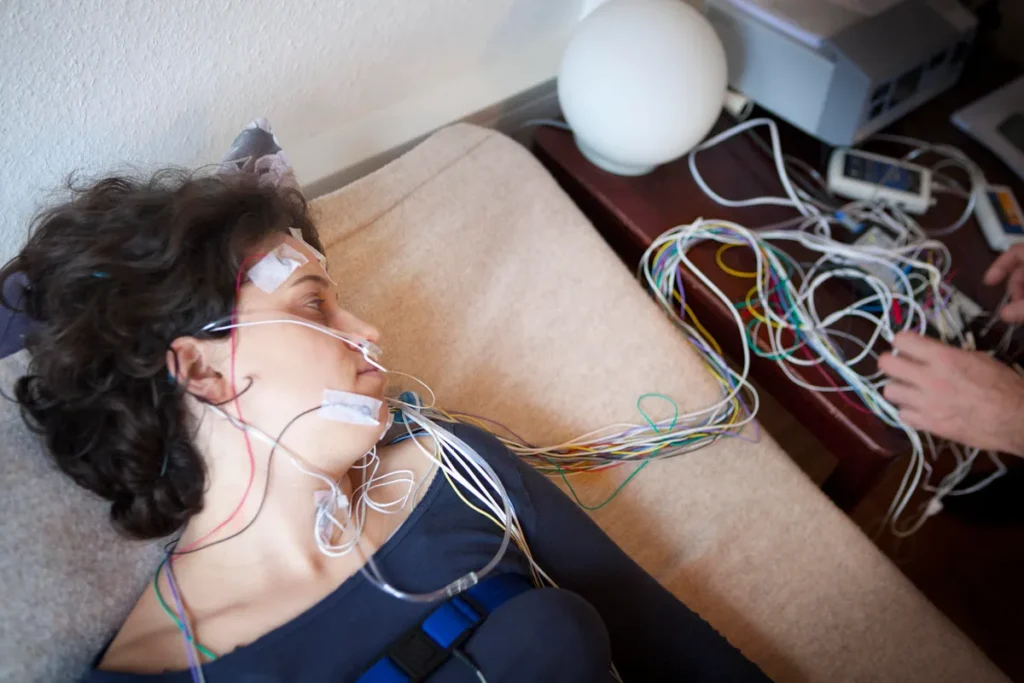
If they want a clean comparison to other diagnostic tests, they should ask whether the quote includes everything: setup, monitoring, scoring, interpretation, and follow-up documentation. See sleep testing provider comparison checklist.
How does insurance change the comparison with other tests?
Insurance can make a sleep study look “cheaper” than other diagnostics, or the opposite, depending on network status and deductible timing. If the lab is in-network and the deductible is already met, their out-of-pocket cost may be limited to a copay or coinsurance.
If the deductible is not met, they may pay a larger share, which can make the test feel more expensive than imaging or labs done earlier in the year.
When is a home sleep test the better-value option?
A home sleep test is often the best value when the main question is straightforward obstructive sleep apnea in an otherwise low-risk patient. It can deliver a usable answer at a lower cost and with fewer facility fees.
However, home tests do not measure as many signals as in-lab studies. If they have complex symptoms, significant comorbidities, or a prior negative home test with ongoing concern, an in-lab study may be the more appropriate diagnostic tool.
What should they ask for to compare costs fairly?
To compare a sleep study to other diagnostic tests, they should ask for an itemized estimate and a “good faith” cash price if they are paying out of pocket. They should also confirm billing codes, whether the lab is in-network, and whether the physician interpretation is included.
A fair comparison uses the expected out-of-pocket number, not the sticker price. That single step usually changes the conclusion about what is “more expensive.”
FAQs (Frequently Asked Questions)
What factors influence the cost of a sleep study?
The cost of a sleep study varies widely, typically ranging from $150 to over $3,000. Key factors include the type of study (home sleep apnea test vs. in-lab polysomnogram), insurance coverage, deductible status, whether the lab is in-network, geographic location, and additional services like CPAP titration or extra monitoring.
How does the cost of a sleep study compare to an MRI?
Sleep studies are often cheaper than MRIs when looking at billed prices. MRIs usually range from several hundred to several thousand dollars for a single session lasting under an hour, whereas in-lab sleep studies involve overnight monitoring and specialized staffing, which can increase facility fees.
Why can the price for the same type of sleep study vary so much?
Price variations arise because not all sleep studies are identical; in-lab tests may include more sensors, different scoring methods, or additional daytime testing. Costs also differ based on whether the lab is hospital-based or independent and whether cash-pay rates or insurance-negotiated rates apply.
What additional fees might appear on a sleep study bill?
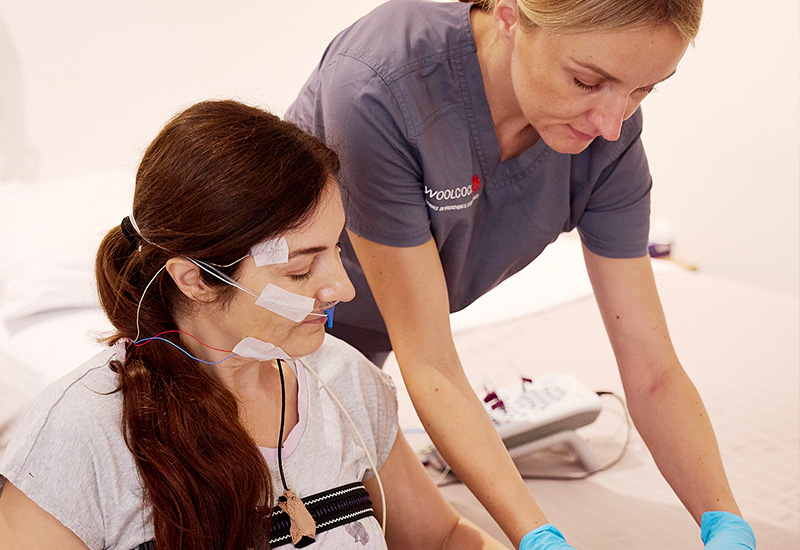
Sleep study bills can include separate charges such as facility or technical fees, physician interpretation fees, and costs related to extra services like CPAP titration. To understand total expenses, one should confirm if quotes cover setup, monitoring, scoring, interpretation, and follow-up documentation.
When is a home sleep apnea test (HSAT) a better value option compared to an in-lab polysomnogram?
A home sleep test is often more cost-effective for straightforward cases of obstructive sleep apnea in low-risk patients. It offers usable results at lower costs with fewer facility fees. However, it measures fewer signals than in-lab studies and may not be suitable for complex symptoms or patients with significant comorbidities.
How does insurance affect out-of-pocket costs for sleep studies compared to other diagnostic tests?
Insurance impacts out-of-pocket expenses based on network status and deductible fulfillment. If the lab is in-network and deductibles are met, costs may be limited to copays or coinsurance. If deductibles aren’t met, patients might pay more upfront, making sleep studies seem pricier than imaging or lab tests done earlier in the year.