
2026 Best Mouthguards & Positional Trainers for Mild Apnea
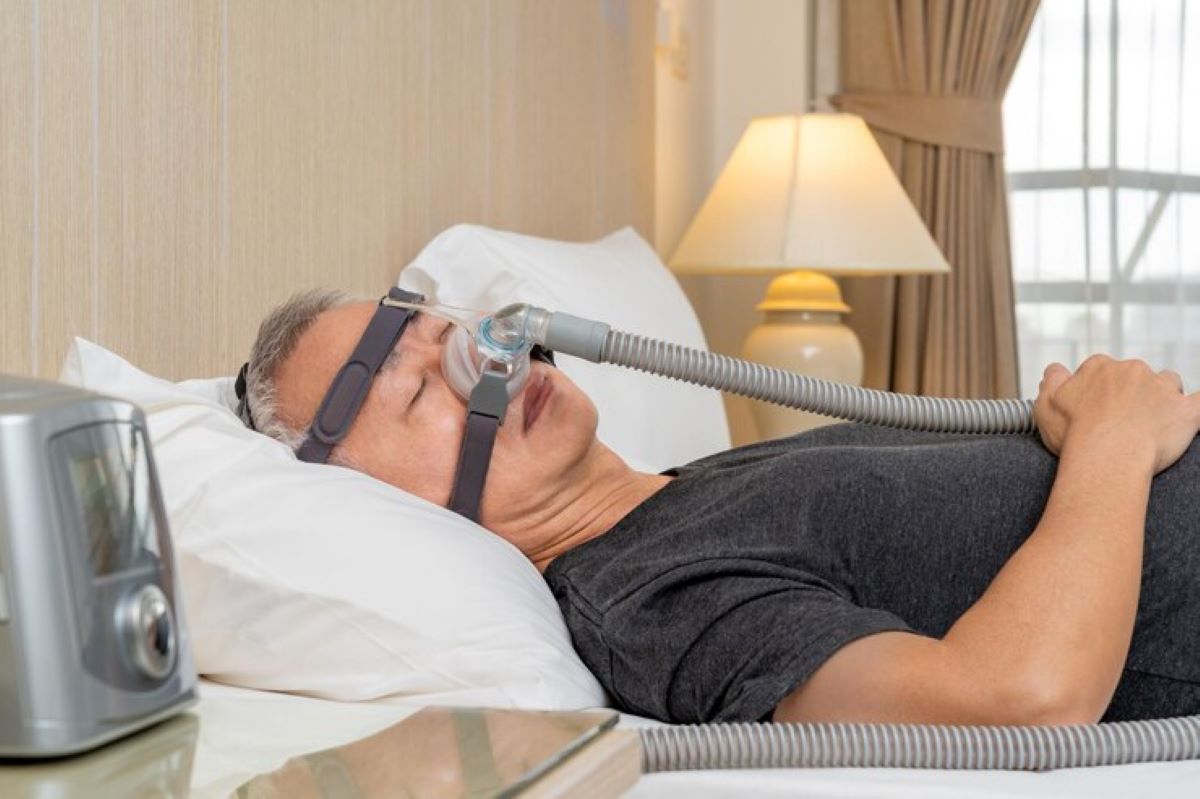
If you’ve been diagnosed with mild obstructive sleep apnea (OSA), you’ve likely been told that CPAP is the “gold standard.” But for many Australians, the reality of wearing a pressurized mask every night feels less like a solution and more like a sentence. Between the claustrophobia, the hum of the machine, and the tangled hoses, it’s no wonder many patients seek alternatives.
The good news? In 2026, clinical sleep medicine has shifted toward a more “minimalist” approach for mild cases. Beyond CPAP: The Best 2026 Mouthguards and Positional Sleep Trainers for Mild Apnea are now recognized as effective, TGA-approved first-line treatments. Whether your airway collapses due to jaw positioning or simply because you sleep on your back, these high-tech alternatives offer a silent, cord-free path to better rest.
See more: CPAP Machines: How to Choose the Right Model for Your Sleep Apnea Needs
What are the Alternatives to CPAP for Mild Apnea?
For those with a mild AHI (Apnoea-Hypopnoea Index) score—typically between 5 and 15 events per hour—the goal is to keep the airway physically open without external air pressure. In the Australian market, two primary categories have emerged as the leaders in “minimalist” therapy:
- Mandibular Advancement Devices (MADs): Often called sleep apnea mouthguards, these hold the lower jaw forward to prevent the tongue and soft tissues from collapsing.
- Positional Sleep Trainers: Smart, wearable sensors that use gentle vibrations to train you to stay off your back (the “supine” position), where gravity is most likely to cause airway obstruction.
Mandibular Advancement Devices (MADs): The 2026 Gold Standard
A Mandibular Advancement Device (MAD) looks similar to a sports mouthguard but serves a much more complex purpose. By shifting the mandible (lower jaw) just a few millimeters forward, it creates more space at the back of the throat.
Why MADs are Gaining Popularity in Australia
Modern 2026 models have moved far beyond the bulky “boil-and-bite” devices of the past. Today’s top-tier devices, such as the SomnoDent or ProSomnus ranges, are custom-milled using 3D-printed medical-grade polymers.
- Discreet and Silent: No electricity or noise, making them ideal for travel or camping in the Outback.
- High Compliance: Users are significantly more likely to wear a mouthguard all night compared to a CPAP mask.
- Dental Health Benefits: Many custom models now incorporate features to manage bruxism (teeth grinding).
Key Features of the Best 2026 Mouthguards
| Feature | Custom-Fitted MAD (e.g., SomnoDent) | Over-the-Counter (OTC) |
| Adjustment | Micro-titration (incremental shifts) | Fixed or limited |
| Material | Vapour-polished 3D Nylon | Soft EVA Plastic |
| TGA Status | TGA Registered Class II | Often Unregistered |
| Longevity | 3–5 Years | 6–12 Months |
| Comfort | High (Ultra-thin profiles) | Bulkier, potential jaw ache |
Positional Sleep Trainers: Fixing “Back-Sleeping” Apnea
Many Australians suffer from Positional Obstructive Sleep Apnea (POSA). This means their apnea events occur primarily—or even exclusively—when they are lying on their backs (supine).
How Vibrating Supine Trainers Work
Rather than a physical barrier like a “tennis ball in a sock,” 2026 positional trainers like the Philips NightBalance or the BuzzPOD use sophisticated accelerometers.
- Detection: The device, worn on a soft strap around the chest or neck, senses when you roll onto your back.
- Gentle Intervention: It delivers a subtle vibration that increases in intensity until you shift to your side.
- Sleep Preservation: The vibration is calibrated to move you without fully waking you up, preserving your deep sleep cycles.
Benefits for Mild Apnea Patients
- Data Integration: Most 2026 trainers sync with smartphone apps, providing a “Sleep Position Score” that you can show your GP or sleep specialist.
- Non-Invasive: Nothing goes in your mouth or over your face.
- Adaptation: Most users “learn” to stay on their side within two weeks, often finding the device only needs to vibrate once or twice a night.
Step-by-Step: Transitioning from CPAP to Minimalist Therapy
If you are ready to explore options beyond CPAP, follow this clinical framework:
- Confirm Your Phenotype: Not all mild apnea is the same. Ask your doctor for a “positional analysis” of your latest sleep study. If your AHI is low while side-sleeping, a positional trainer is likely effective.
- Consult a Dental Sleep Specialist: Unlike a general dentist, these professionals specialize in airway health. They will assess your jaw joint (TMJ) and dental health to ensure an MAD won’t cause long-term bite changes.
- The Titration Phase: If choosing a mouthguard, you will start with a small advancement and gradually “crank” the device forward over several weeks until your snoring and daytime tiredness disappear.
- Verification Study: Once you feel better, it is essential to perform a follow-up home sleep study while wearing the device to ensure your AHI has actually dropped to safe levels.
Common Mistakes to Avoid
- Buying “Cheap” Online: Many “anti-snoring” mouthguards sold on social media are not TGA-approved for sleep apnea. They may be too soft to hold the jaw forward or too bulky, leading to jaw misalignment.
- Self-Diagnosing Positional Apnea: Just because you think you sleep on your side doesn’t mean you don’t roll over. Always check your clinical sleep data first.
- Ignoring Jaw Pain: Minor morning stiffness is normal during the first week of MAD use. Persistent, sharp pain in the jaw joint is not. Ensure your device is fitted by a pro.
FAQ: Frequently Asked Questions
1. Are sleep apnea mouthguards covered by Medicare in Australia?
No, Medicare does not currently rebate the cost of Mandibular Advancement Devices. However, many private health insurers cover them under “General Dental” or “Health Aids” (Item 965).
2. Can I use a positional trainer and a mouthguard together?
Yes. “Combination therapy” is increasingly popular in 2026. Using a mild advancement with a mouthguard alongside a positional trainer often yields better results than either one alone for supine-heavy apnea.
3. Will a mouthguard change my bite?
Custom-made, titratable devices are designed to minimize “bite drift.” Using a morning “reprogrammer” (a small wafer you bite on for 2 minutes each morning) helps reset your jaw to its natural position.
4. How long do these devices last?
A high-quality 3D-printed nylon MAD typically lasts 3 to 6 years with proper care. Positional trainers usually last as long as their battery/electronics, often 2–4 years.
5. Is it harder to clean a mouthguard than a CPAP?
Actually, it’s much easier. Most MADs require a simple daily brush with a soft toothbrush and a weekly soak in a specialized cleaning solution. No hoses to dry or filters to replace.
Conclusion: Reclaiming Your Sleep in 2026
The journey Beyond CPAP: The Best 2026 Mouthguards and Positional Sleep Trainers for Mild Apnea represents a shift toward patient comfort and lifestyle integration. If your mild apnea has left you feeling tethered to a machine, these minimalist interventions offer a scientifically backed alternative that fits in your pocket rather than on your nightstand.
By choosing TGA-approved, custom-fitted solutions and working with Australian sleep professionals, you can achieve the “Gold Standard” of rest without the “Gold Standard” of masks.
Next Step: Would you like me to find a list of TGA-approved dental sleep clinics near your specific Australian postcode?
Internal Linking Suggestions:
- Anchor Text: “home sleep study Australia”
- Anchor Text: “TGA approved sleep devices”
- Anchor Text: “how to clean your oral appliance”
Authoritative External References:
- Australasian Sleep Association (ASA)
- Sleep Health Foundation (Australia)
2026 Best Mouthguards & Positional Trainers for Mild Apnea Read More »