CPAP Machines

CPAP machines

CPAP Machines: How to Choose the Right Model for Your Sleep Apnea Needs

What Are CPAP Machines and How Do They Work?

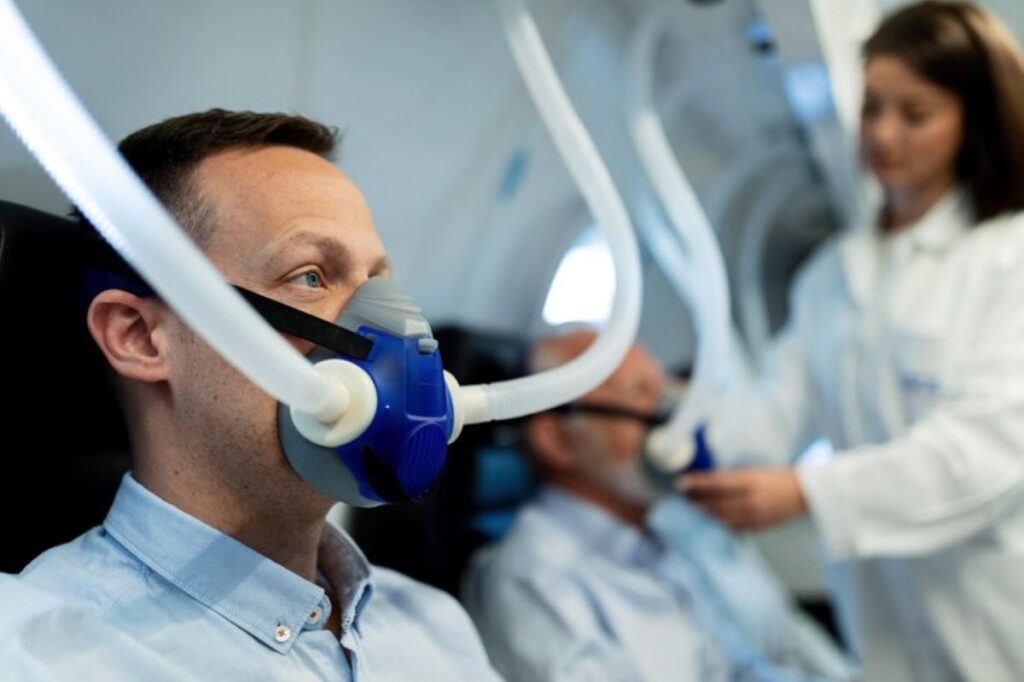
CPAP machines deliver continuous positive airway pressure through a mask worn during sleep, keeping airways open for people with obstructive sleep apnea (OSA). This sleep apnea treatment prevents the breathing pauses that characterize OSA, where throat muscles relax and block the airway repeatedly throughout the night.

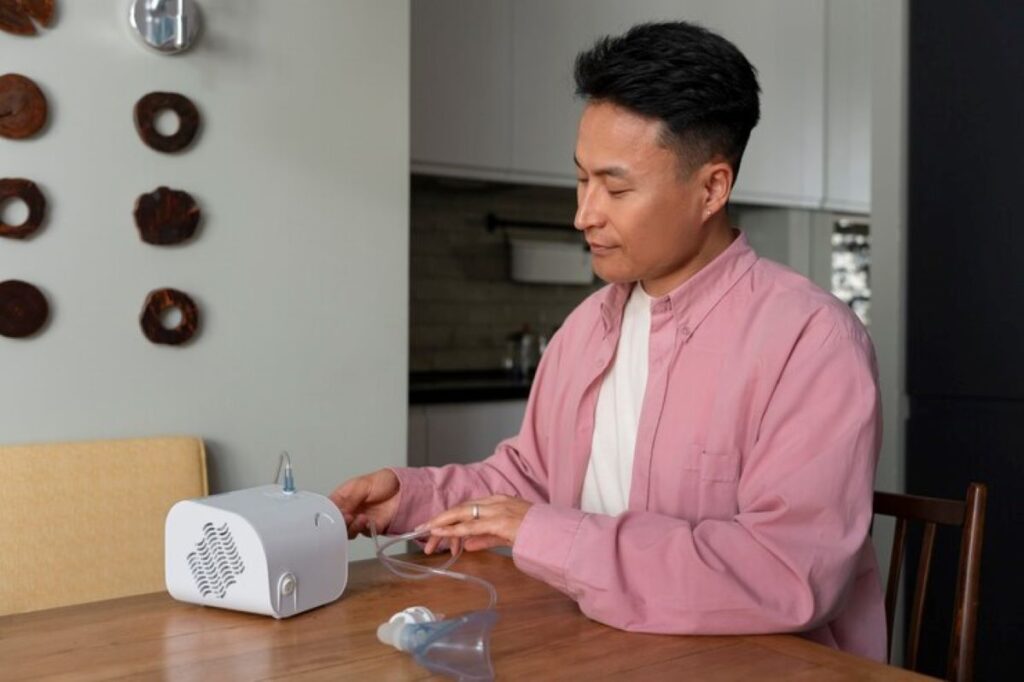
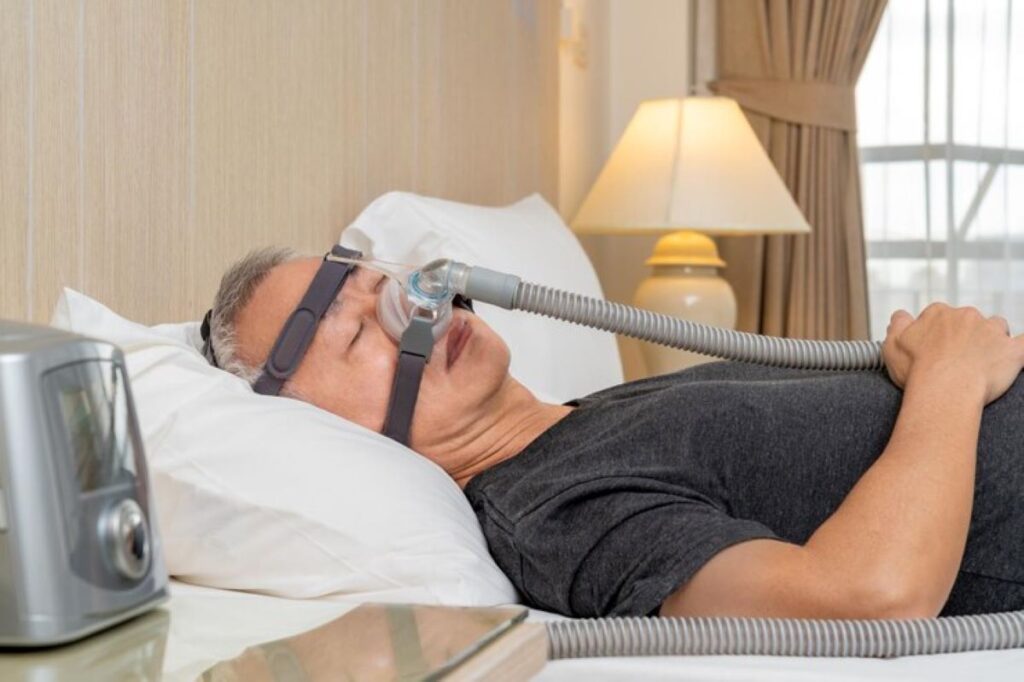
The machine consists of three main components: a motor that generates pressurized air, a hose that delivers the air, and a mask that fits over your nose, mouth, or both. The steady stream of air acts as a pneumatic splint, maintaining enough pressure to prevent airway collapse during sleep.

CPAP therapy transforms sleep quality and overall health by eliminating the dangerous breathing interruptions that fragment sleep. Users typically experience:

  • Reduced daytime sleepiness and improved alertness
  • Better concentration and memory function
  • Lower blood pressure readings
  • Decreased risk of heart disease and stroke
  • Reduced strain on cardiovascular system
  • Elimination of loud snoring

The therapy works immediately once properly fitted, though adapting to wearing the mask takes time. Studies show consistent CPAP use can reverse many health complications associated with untreated sleep apnea, making it the gold standard treatment recommended by sleep specialists worldwide. The key to success lies in finding the right CPAP machine model and mask combination that fits your specific needs and lifestyle.

What Are the Different Types of CPAP Machines?

There are several types of CPAP machines available, each designed to cater to specific needs and preferences. Here’s a breakdown of the different types:

1. Fixed-Pressure CPAP

Fixed-pressure CPAP machines deliver a single, constant air pressure throughout the night. This pressure level is determined during a sleep study and remains unchanged, making these devices straightforward and reliable for users with consistent breathing patterns.

2. APAP Machines

APAP machines automatically adjust air pressure breath-by-breath based on real-time detection of breathing changes. These devices respond to variations in sleep position, sleep stages, or temporary blockages by increasing or decreasing pressure as needed. APAP technology benefits users whose pressure requirements fluctuate during the night or those who haven’t undergone a formal sleep study to determine optimal pressure settings.

3. BiPAP Machines

BiPAP machines provide two distinct pressure levels: a higher pressure during inhalation and a lower pressure during exhalation. This dual-pressure system makes breathing feel more natural and comfortable, particularly for patients who:

  • Require high pressure settings (typically above 15 cm H2O)
  • Experience difficulty exhaling against constant pressure
  • Have certain respiratory or cardiac conditions
  • Need treatment for central sleep apnea or complex sleep-disordered breathing

4. Travel CPAP

Travel CPAP devices prioritize portability and compact design, often weighing less than one pound. These machines fit easily in carry-on luggage and typically include battery options for camping or international travel. While convenient, travel models may lack advanced features like heated humidification or extensive data tracking found in full-sized units.

What Factors Should Be Considered When Choosing a CPAP Machine?

CPAP comfort and ease of use directly determine whether patients stick with their therapy long-term. Studies show that up to 50% of users abandon treatment within the first year, often due to discomfort or complexity. Machines with intuitive controls, clear displays, and simple maintenance routines encourage consistent nightly use.

Humidification features prevent the dry mouth, throat irritation, and nasal discomfort that plague many CPAP users. Integrated or heated humidifiers add moisture to the pressurized air, making therapy more tolerable during extended sleep periods. Some units offer adjustable humidity levels to match individual preferences and seasonal changes.

Noise level impacts both the user’s sleep quality and their partner’s rest. Modern CPAP machines typically operate between 25-30 decibels—roughly equivalent to a whisper—but older or lower-quality models can produce disruptive sounds. Checking manufacturer specifications and user reviews helps identify quieter options.

Mask compatibility varies across machines, with some models designed for specific mask styles. Verifying that your preferred mask type—whether nasal pillows, nasal masks, or full-face masks—works seamlessly with the machine prevents costly mismatches.

Special features enhance the therapy experience:

  • Ramp settings: gradually increase pressure over 5-45 minutes, helping users fall asleep comfortably
  • Connectivity options: sync therapy data with smartphone apps or healthcare providers for remote monitoring
  • Automatic altitude adjustments: maintain proper pressure during travel

Moreover, it’s essential to understand how CPAP therapy can improve sleep quality and overall health for those suffering from conditions like sleep apnea. For more information on CPAP machines and their benefits in treating sleep apnea, you can refer to this comprehensive resource from the Mayo Clinic.

How Do Mask Types Influence CPAP Therapy?

The mask you choose directly affects therapy success, comfort, and your ability to maintain consistent treatment. Each mask style serves different breathing patterns, facial structures, and pressure requirements.

1. Nasal Pillows Mask

Nasal pillows mask options insert soft cushions directly into the nostrils, creating minimal facial contact. These lightweight designs appeal to claustrophobic users, side sleepers, and those who wear glasses before bed. The open field of vision makes reading or watching television comfortable. Nasal pillows work best for low to moderate pressure settings and nasal breathers who keep their mouth closed during sleep.

2. Nasal Mask

Nasal mask designs cover the entire nose with a cushioned seal around the bridge and upper lip area. These masks accommodate a wider pressure range than nasal pillows while maintaining a smaller profile than full-face options. Users who move frequently during sleep or require moderate to high pressure levels often prefer this style. Active sleepers benefit from the secure fit that stays in place through position changes.

3. Full-Face Mask

Full-face mask coverage extends over both nose and mouth, providing the only viable option for mouth breathers or those with chronic nasal congestion. These masks become necessary when pressure settings exceed what nasal-only options can comfortably deliver. Users with facial hair that prevents proper nasal mask sealing also rely on full-face designs for leak-free therapy.
CPAP machines

What Are Common Challenges When Starting CPAP Therapy and How Can They Be Managed?

Adapting to CPAP therapy typically requires a commitment of several weeks to months. Most users experience an initial adjustment period where wearing the mask and breathing against pressurized air feels unnatural. Starting with shorter wearing sessions during daytime naps helps build tolerance before attempting full nights. Many machines include a “ramp” feature that begins with lower pressure and gradually increases, making the transition less jarring.

Dry mouth management becomes necessary when air leaks through the mouth or when humidification levels are insufficient. Adding a heated humidifier to your CPAP machine introduces moisture to the airflow, preventing throat and mouth dryness. Switching from a nasal mask to a full-face mask eliminates air leaks for mouth breathers. Chin straps offer another solution by keeping the mouth closed during sleep when using nasal-only masks.

Nasal congestion relief often requires a multi-pronged approach. Adjusting the humidification settings higher adds more moisture to combat dryness-induced congestion. Using a nasal saline spray before bed clears passages and reduces inflammation. Some users benefit from positioning the mask differently to reduce pressure on nasal tissues. Persistent congestion may indicate the need for a different mask style or consultation with a sleep specialist about underlying sinus issues. Heated tubing prevents condensation that can worsen nasal irritation.

How Does Cost Affect the Choice of a CPAP Machine?

CPAP machine cost varies significantly depending on the type and features you select. Standard fixed-pressure CPAP machines typically range from $500 to $1,000, making them the most budget-friendly option for straightforward sleep apnea cases. Auto-adjusting CPAP (APAP) machines cost more due to their advanced pressure-sensing technology, while BiPAP units represent the highest investment because of their dual-pressure capabilities designed for complex respiratory needs.

Your budget should align with your specific sleep apnea severity and treatment requirements. Someone with mild to moderate OSA may find excellent results with a basic fixed-pressure unit, saving hundreds of dollars compared to premium models. Patients with severe sleep apnea or those who experience discomfort with constant pressure often benefit from investing in APAP or BiPAP machines despite the higher upfront cost.

Insurance coverage plays a crucial role in affordability. Most health insurance plans cover a portion of CPAP equipment costs when you have:

  • A formal sleep apnea diagnosis from a sleep study
  • A valid prescription from your healthcare provider
  • Documentation showing medical necessity

Out-of-pocket expenses depend on your deductible, copay structure, and whether your insurance requires specific suppliers or brands. Some insurance plans also cover replacement supplies like masks, filters, and tubing on a scheduled basis, reducing long-term maintenance costs.

When Should Users Consult a Sleep Specialist Regarding Their CPAP Therapy?

Users should schedule a sleep specialist consultation if symptoms persist after 4-6 weeks of consistent CPAP use. Continued daytime fatigue, morning headaches, or loud snoring despite wearing the machine indicate therapy may not be working properly.

Warning signs requiring professional evaluation include:

  • Persistent difficulty falling or staying asleep with the device
  • Ongoing dry mouth or throat irritation despite humidification adjustments
  • Frequent mask leaks that cannot be resolved through repositioning
  • Skin irritation, pressure sores, or rashes from mask contact
  • Claustrophobia or anxiety that prevents regular use
  • Pressure settings that feel too high or too low
  • Continued breathing pauses noticed by sleep partners

A sleep specialist can review therapy data from machines with connectivity features to identify patterns of mask leaks, pressure inadequacies, or usage gaps. They may recommend different pressure settings, alternative mask styles, or switching between fixed-pressure and auto-adjusting models. Some patients discover they need BiPAP therapy instead of standard CPAP after initial treatment proves insufficient.

One crucial aspect a sleep specialist might consider is conducting a CPAP titration study, which helps in determining the optimal pressure settings for the patient’s specific needs.

Regular follow-up appointments help optimize CPAP Machines: How to Choose the Right Model for Your Sleep Apnea Needs, ensuring the selected equipment continues meeting changing health requirements. Weight loss, weight gain, or new medical conditions can alter airway dynamics and pressure requirements over time.
CPAP machines

Conclusion

Choosing the right CPAP machine requires careful consideration of your specific sleep apnea needs, lifestyle, and comfort preferences. The decision impacts your nightly therapy adherence and long-term health outcomes.

Professional guidance makes the difference. Sleep specialists can help you navigate the options between fixed-pressure, APAP, and BiPAP machines while considering factors like mask compatibility, humidification needs, and special features. They’ll ensure your prescription matches your condition severity and adjust settings as needed.

Don’t hesitate to reach out to your healthcare provider when:

  • You’re uncertain about which machine type suits your breathing patterns
  • Persistent discomfort affects your therapy compliance
  • Questions arise about insurance coverage or equipment features
  • Adjustments seem necessary after starting treatment

Your sleep health deserves expert attention—the right support transforms CPAP therapy from a challenge into an effective, sustainable solution for better rest and improved quality of life.

Related : Buy CPAP Machine Online: What to Check Before Making Your Purchase

CPAP Machines: How to Choose the Right Model for Your Sleep Apnea Needs Read More »
buy cpap machine online

Buy CPAP Machine Online: What to Check Before Making Your Purchase

Why Do They Need a Prescription to Buy a CPAP Machine Online?

A CPAP prescription requirement exists because these devices are classified as Class II medical devices by the FDA, making them legally available only through a doctor’s prescription following a sleep apnea diagnosis. Federal law mandates this requirement to protect patients from using potentially harmful equipment without proper medical evaluation.

The prescription process begins with a sleep study—either in a laboratory or through an at-home test—where specialists monitor breathing patterns, oxygen levels, and sleep disruptions. Based on these results, a physician determines whether CPAP therapy is appropriate and specifies the necessary pressure settings. This medical oversight ensures patients receive equipment calibrated to their specific condition severity.

What Happens When Buyers Skip the Prescription?

Purchasing without a prescription creates several serious risks:

  • Incorrect pressure settings can worsen sleep apnea symptoms or cause discomfort, leading to therapy abandonment
  • Undiagnosed conditions may go untreated if patients self-diagnose without proper medical evaluation
  • Warranty voidance often occurs with unauthorized purchases, leaving buyers without manufacturer support
  • Insurance denial prevents reimbursement claims when no valid prescription exists

How Do Medical Professionals Guide Device Selection?

Sleep specialists and doctors play a vital role beyond simply issuing prescriptions, especially when patients plan to buy a CPAP machine online. They carefully evaluate individual factors such as:

• Apnea severity measured by the Apnea–Hypopnea Index (AHI)
• Breathing patterns that may require bilevel therapy (BiPAP) rather than continuous pressure
• Physical characteristics that influence mask fit and long-term comfort
• Coexisting conditions, including central sleep apnea or other respiratory disorders

This professional oversight helps prevent patients from choosing unsuitable equipment types or incorrect pressure settings when they buy a CPAP machine online. Purchasing through authorized suppliers with valid prescription documentation not only ensures legal compliance but also delivers optimal therapy outcomes tailored to each patient’s medical needs.

Where Should They Buy Their CPAP Machine Online?

1. Authorized CPAP Retailers: The Safest Option

Authorized CPAP retailers represent the safest option for purchasing sleep therapy equipment. These sellers maintain direct relationships with manufacturers, ensuring every machine comes with valid warranties, authentic parts, and access to customer support channels.

2. Manufacturer Websites: Reliable and Educational

Manufacturer websites offer another reliable purchasing avenue. Buying directly from companies like ResMed, Philips Respironics, or Fisher & Paykel guarantees product authenticity and often includes educational resources about proper device usage. These sites typically verify prescriptions before processing orders and provide comprehensive product documentation.

3. Telehealth Providers: Convenient Solutions for Patients

Telehealth providers have emerged as a convenient solution for patients seeking both prescriptions and equipment. Services like Lofta, Sleep Doctor, and Easy Breathe combine virtual sleep consultations with direct equipment sales, streamlining the entire process from diagnosis to delivery.

The Hidden Dangers of Unauthorized Sellers

Third-party marketplaces and private sellers present significant risks despite potentially lower prices. These platforms often lack prescription verification systems, making it easier to bypass legal requirements. Machines purchased through these channels may be:

  • Refurbished units sold as new
  • Counterfeit devices with substandard components
  • Equipment without manufacturer warranties
  • Devices with tampered pressure settings

Private sellers on auction sites or classified ads cannot provide the same accountability as established retailers. Without proper documentation, buyers risk receiving machines that don’t meet medical-grade standards or lack essential safety certifications.

Why Telehealth Providers Offer Comprehensive Value

Telehealth providers deliver more than just equipment sales. They coordinate at-home sleep tests, connect patients with board-certified sleep specialists, and handle insurance paperwork. This integrated approach eliminates the need to juggle multiple appointments and vendors.

Many telehealth services include ongoing support through virtual check-ins, allowing sleep specialists to adjust therapy settings remotely based on machine data. This continuous care model helps patients achieve better treatment outcomes compared to simply purchasing equipment without professional guidance.

What Types of PAP Machines Should They Consider?

Understanding Different Types of PAP Machines

There are several types of PAP machines available, each designed to cater to specific needs and preferences. Here’s a breakdown of the main types:

1. CPAP (Continuous Positive Airway Pressure)

CPAP machines deliver a single, constant pressure throughout the night. This standard option works well for patients with straightforward obstructive sleep apnea who need consistent airflow to keep their airways open during sleep.

2. BiPAP (Bilevel Positive Airway Pressure)

BiPAP machines provide two different pressure levels—one for inhalation and a lower one for exhalation. Doctors typically prescribe BiPAP for patients who:

  • Struggle with the constant pressure of traditional CPAP therapy
  • Have central sleep apnea or complex sleep apnea syndrome
  • Need higher pressure settings that make exhaling difficult
  • Experience respiratory conditions alongside sleep apnea

3. APAP (Auto-titrating Positive Airway Pressure)

APAP machines automatically adjust pressure levels throughout the night based on breathing patterns. These devices respond to changes in sleep position, sleep stages, and airway resistance, making them ideal for patients with varying pressure needs.

Matching Machine Type to Patient Needs

The severity of sleep apnea directly influences which PAP device option works best. Mild to moderate cases often respond well to standard CPAP therapy, while severe apnea may require BiPAP’s dual-pressure system. Patients who sleep in multiple positions or experience weight fluctuations benefit from APAP’s adaptive technology.

Physical comfort plays a significant role in machine selection. Those who find constant pressure uncomfortable during exhalation prefer BiPAP’s pressure relief feature. Patients sensitive to pressure changes appreciate APAP’s gradual adjustments that prevent abrupt shifts during sleep.

Your prescribed pressure settings determine available options. High-pressure requirements (above 15 cmH2O) often necessitate BiPAP to maintain comfortable exhalation. Budget considerations matter too—CPAP machines cost less than BiPAP or APAP models, though insurance coverage may offset price differences.

The sleep study results and physician recommendations provide the foundation for choosing between CPAP types, BiPAP vs APAP configurations based on individual breathing patterns and therapeutic needs.

What Accessories Are Essential When Buying a CPAP Machine Online?

CPAP accessories directly impact therapy comfort and effectiveness, making them as important as the machine itself. The right combination of mask, tubing, and additional components ensures consistent nightly use and better treatment outcomes.

Mask Selection Based on Sleep Patterns

Three primary mask types serve different breathing habits and comfort preferences:

  • Nasal masks cover only the nose, ideal for patients who breathe through their nose and prefer minimal facial coverage
  • Nasal pillow masks insert directly into the nostrils, offering the least intrusive option for active sleepers and those who feel claustrophobic
  • Full-face masks cover both nose and mouth, necessary for mouth breathers or patients with chronic nasal congestion. For those struggling with mouth breathing while using CPAP, a full-face mask may be the most suitable option.

Mask fit determines therapy success. Poorly fitted masks leak air, reduce pressure effectiveness, and cause skin irritation. Many online retailers offer sizing guides and virtual fitting consultations to help buyers select appropriate dimensions.

Tubing Considerations for Temperature Control

Standard tubing connects the machine to the mask, but heated tubing prevents condensation buildup (commonly called “rainout”). Heated options maintain consistent air temperature throughout the night, reducing moisture accumulation that can disrupt sleep. Non-heated tubing costs less but may require additional room temperature adjustments.

Filters and Humidifiers for Enhanced Comfort

Disposable filters require monthly replacement, while non-disposable filters need weekly cleaning. Both protect users from dust and allergens entering the airway. Built-in or external humidifiers add moisture to pressurized air, preventing dry mouth, throat irritation, and nasal congestion. Adjustable humidity settings allow personalization based on climate and individual sensitivity.

When buying CPAP accessories online, verify compatibility with your specific machine model. Authorized retailers typically list compatible accessories, reducing the risk of purchasing incompatible components that compromise therapy effectiveness.

How Can They Check If Their Insurance Covers a CPAP Machine Purchase?

Insurance coverage for CPAP machines varies significantly between plans, with most health insurance providers and Medicare classifying these devices as durable medical equipment insurance that qualifies for partial or full reimbursement. Private insurance plans typically cover 50-80% of the machine cost after meeting deductibles, while Medicare CPAP benefits usually cover 80% of the approved amount once Part B deductible requirements are met.

Contacting Your Insurance Provider

The verification process starts with contacting the insurance provider directly through their customer service line or member portal. Patients should request specific information about their durable medical equipment benefits, including:

  • Coverage percentage for CPAP machines and accessories
  • Annual deductible amounts and whether they’ve been met
  • Pre-authorization requirements before purchase
  • Approved supplier networks and restrictions
  • Documentation needed from healthcare providers

Understanding Medicare Requirements

Medicare beneficiaries face additional requirements beyond standard private insurance. Part B covers CPAP therapy only after a face-to-face evaluation with a doctor and a qualifying sleep study. The coverage continues for a 13-week trial period, during which patients must demonstrate compliance by using the machine at least 4 hours per night for 70% of nights.

Knowing Your Supplier Options

Many insurance plans require purchasing from in-network suppliers or specific authorized retailers to receive coverage. Buying from unauthorized sellers or third-party marketplaces often voids insurance reimbursement entirely, leaving patients responsible for the full cost.

Getting Written Confirmation

Patients should obtain a detailed breakdown of covered items in writing before purchasing. Some plans cover the machine itself but exclude masks, tubing, or humidifiers, creating unexpected out-of-pocket expenses. Request a benefits verification letter that specifies covered equipment, replacement schedules for supplies, and any ongoing compliance monitoring requirements.

Confirming Claims Submission Process

The supplier or online retailer should handle insurance claims submission if they’re in-network. Verify whether they offer this service and how long reimbursement typically takes to process.

buy cpap machine online

What Machine Features Should Buyers Evaluate Before Purchasing?

Adjustable Pressure Settings

Adjustable pressure settings rank among the most critical CPAP machine features to evaluate. Machines typically offer pressure ranges between 4 and 20 cm H2O, allowing customization based on your prescription requirements. Your sleep specialist determines the exact pressure needed to keep your airway open during sleep, and the machine must accommodate this specific setting. APAP machines automatically adjust pressure throughout the night, while standard CPAP models maintain constant pressure levels.

Noise Level

Noise level directly affects therapy compliance and sleep quality. Modern CPAP machines operate between 25-30 decibels, roughly equivalent to a whisper or quiet library. Older or lower-quality models may produce disruptive sounds that disturb both users and bed partners. Check manufacturer specifications for decibel ratings and read customer reviews mentioning noise performance during actual use.

Built-in Humidifiers

Built-in humidifiers prevent common side effects like dry mouth, nasal congestion, and throat irritation. Heated humidification systems offer superior comfort by warming the air before delivery, reducing condensation in tubing. Some machines include integrated humidifiers, while others require separate attachments. Consider your climate and personal sensitivity to dry air when evaluating this feature.

Portability

Portability matters for frequent travelers or those with limited bedroom space. Travel-sized CPAP machines weigh between 0.6-2 pounds and fit easily in carry-on luggage. These compact models maintain therapeutic effectiveness while offering convenience. Standard machines typically weigh 3-5 pounds and include larger water chambers and more robust features.

Data Tracking Capabilities

Data tracking capabilities allow both patients and doctors to monitor therapy effectiveness. Advanced machines record usage hours, mask leak rates, apnea events per hour, and pressure delivery patterns. This information helps healthcare providers adjust treatment plans and confirms insurance compliance requirements. Look for machines with Bluetooth connectivity or removable SD cards for easy data access and sharing with your sleep specialist. Check out more about how to choose the right model for your sleep apnea needs.

Why Is Warranty and Return Policy Important When Buying Online?

What protection do CPAP warranty terms actually provide?

Most CPAP machines come with a standard 2-year manufacturer warranty covering defects in materials and workmanship. This warranty protects against mechanical failures, motor issues, and electronic malfunctions that occur under normal use conditions.

The warranty typically excludes consumable items like masks, filters, tubing, and water chambers. These accessories have separate, shorter warranty periods ranging from 30 to 90 days. Some manufacturers offer extended warranty options for an additional fee, pushing coverage to 3 or 5 years.

When buying a CPAP machine online, warranty coverage becomes even more critical

since you can’t physically inspect the device before purchase. Authorized retailers honor manufacturer warranties and provide documentation needed for future claims. Third-party sellers may offer machines without valid warranty coverage or refuse to process warranty claims.

How valuable are trial return policies for CPAP machines?

A trial period importance cannot be overstated when investing $500 to $3,000 in sleep therapy equipment. Many reputable online sellers offer 30 to 90-day trial periods, allowing users to test the machine in their home environment.

The return policy for CPAP machines should clearly state:

  • Trial duration (typically 30, 60, or 90 days)
  • Restocking fees (ranging from 0% to 20%)
  • Return shipping costs (buyer or seller responsibility)
  • Condition requirements (original packaging, minimal use)
  • Refund processing time (usually 7-14 business days)

Some users discover their prescribed machine doesn’t suit their sleeping position, causes discomfort, or produces unexpected noise levels. Without a flexible return policy, they’re stuck with an expensive device that won’t be used. Trial periods allow time to adjust to therapy and determine if the specific model meets individual needs before committing to the purchase.

How Should They Maintain and Clean Their New CPAP Machine?

CPAP cleaning methods require daily attention to specific components and weekly deep cleaning of others. The mask, cushion, and headgear need washing every morning with warm water and mild, fragrance-free soap, then air-dried away from direct sunlight to prevent material degradation.

The water chamber demands daily emptying and rinsing with distilled water only. Tap water contains minerals that create buildup and potentially harbor bacteria. Once weekly, the chamber should soak in a solution of one part white vinegar to three parts water for 20 minutes, followed by thorough rinsing.

Device maintenance tips for tubing involve weekly washing with the same mild soap solution. Users should hang the tubing to drip-dry completely before reconnecting it to prevent moisture accumulation that breeds mold. Heated tubing requires extra care to avoid damaging internal heating elements during cleaning.

The machine’s exterior needs wiping with a damp cloth weekly. Users should never submerge the main device in water or use harsh chemicals that damage electronic components.

Approved CPAP sanitizers using UV light or activated oxygen offer automated cleaning options. These devices eliminate 99.9% of bacteria and germs within 30 minutes. Users should verify their machine manufacturer approves specific sanitizer models, as some void warranties.

Storage matters for longevity. The machine should sit on a flat, stable surface with adequate ventilation around air intake vents. Covering the device between uses protects it from dust but requires breathable fabric rather than plastic. You may like to visit https://www.schn.health.nsw.gov.au/cpap-continuous-positive-airway-pressure-therapy-factsheet to get more about CPAP therapy.

Filter replacement schedules vary by type:

  • Disposable filters: Replace every 2-4 weeks depending on air quality
  • Non-disposable filters: Wash weekly with water only, replace every 6 months
  • Ultra-fine filters: Check monthly, replace when discolored

How Can Customer Reviews and Support Influence Their Purchase Decision?

Customer reviews for CPAP machines provide real-world insights that product descriptions cannot capture. Users share detailed experiences about machine performance, actual noise levels during operation, and comfort issues that only become apparent after weeks of nightly use.

Reviews reveal patterns that help identify potential problems before purchase. When multiple users mention a specific machine’s motor becoming louder after several months, or a particular mask style causing skin irritation, these warnings prove invaluable. Positive reviews highlighting consistent pressure delivery, quiet operation throughout the night, and durable construction help narrow down reliable options.

Performance feedback in customer reviews often addresses:

  • Actual noise levels compared to manufacturer specifications
  • Ease of adjusting pressure settings
  • Reliability of humidifier functions
  • Durability of components after extended use
  • Effectiveness in reducing apnea events

The quality of customer support becomes critical when technical issues arise or questions about therapy compliance emerge. Reviews discussing response times, helpfulness of support staff, and resolution of warranty claims indicate how a seller treats customers after the sale. Companies offering virtual consultations, troubleshooting assistance, and replacement part guidance demonstrate commitment to patient success.

Support services worth evaluating through reviews include:

  • Availability of technical assistance during setup
  • Access to respiratory therapists for therapy questions
  • Responsiveness to warranty claims and defective equipment
  • Assistance with insurance documentation and claims
  • Educational resources for new CPAP users

Negative reviews about poor customer service, delayed responses to equipment failures, or difficulty processing returns signal potential frustrations. Retailers with consistently high ratings for both product quality and support responsiveness typically provide better long-term value, even if initial prices appear slightly higher than competitors.

buy cpap machine online

What Shipping Considerations Should They Keep in Mind When Buying Online?

Shipping policies directly affect when therapy can begin. Buyers should verify delivery timeframes before completing their purchase, as delayed shipments can postpone treatment for sleep apnea. Most authorized retailers provide estimated delivery dates during checkout, typically ranging from 2-7 business days for standard shipping.

Shipping costs vary significantly between sellers. Some online CPAP retailers offer free shipping on orders above a certain threshold, while others charge flat rates or calculate fees based on location and weight. When comparing prices between vendors, buyers must factor in these shipping expenses to determine the true total cost.

Key Shipping Details to Verify

  • Delivery speed options: Standard, expedited, or overnight shipping availability
  • Tracking capabilities: Real-time package monitoring through carrier websites
  • Signature requirements: Whether someone must be present to receive the delivery
  • Shipping restrictions: Geographic limitations or international delivery policies
  • Packaging discretion: Whether the box displays medical equipment labels

Insurance claims processing can affect shipping timelines. Retailers who handle insurance paperwork may require additional processing days before shipping the equipment. Buyers should ask whether the seller submits claims before or after shipment, as this impacts when they’ll receive their machine.

Damaged or lost shipments need clear resolution protocols. Reputable sellers provide replacement guarantees for items damaged during transit. Buyers should confirm the seller’s policy for reporting shipping damage and the timeframe for receiving replacement equipment without additional charges.

Prescription verification may delay shipment. Since CPAP machines require valid prescriptions, sellers must verify documentation before processing orders. This verification typically adds 1-3 business days to the shipping timeline. Buyers can expedite this process by uploading prescription documents immediately after ordering rather than waiting for the seller to request them.

When you buy CPAP machine online, understanding shipping policies for CPAP machines prevents unexpected delays in starting therapy.

Buy CPAP Machine Online: What to Check Before Making Your Purchase Read More »

Scroll to Top