If you’ve been diagnosed with mild obstructive sleep apnea (OSA), you’ve likely been told that CPAP is the “gold standard.” But for many Australians, the reality of wearing a pressurized mask every night feels less like a solution and more like a sentence. Between the claustrophobia, the hum of the machine, and the tangled hoses, it’s no wonder many patients seek alternatives.
The good news? In 2026, clinical sleep medicine has shifted toward a more “minimalist” approach for mild cases. Beyond CPAP: The Best 2026 Mouthguards and Positional Sleep Trainers for Mild Apnea are now recognized as effective, TGA-approved first-line treatments. Whether your airway collapses due to jaw positioning or simply because you sleep on your back, these high-tech alternatives offer a silent, cord-free path to better rest.
For those with a mild AHI (Apnoea-Hypopnoea Index) score—typically between 5 and 15 events per hour—the goal is to keep the airway physically open without external air pressure. In the Australian market, two primary categories have emerged as the leaders in “minimalist” therapy:
Mandibular Advancement Devices (MADs): Often called sleep apnea mouthguards, these hold the lower jaw forward to prevent the tongue and soft tissues from collapsing.
Positional Sleep Trainers: Smart, wearable sensors that use gentle vibrations to train you to stay off your back (the “supine” position), where gravity is most likely to cause airway obstruction.
Mandibular Advancement Devices (MADs): The 2026 Gold Standard
A Mandibular Advancement Device (MAD) looks similar to a sports mouthguard but serves a much more complex purpose. By shifting the mandible (lower jaw) just a few millimeters forward, it creates more space at the back of the throat.
Why MADs are Gaining Popularity in Australia
Modern 2026 models have moved far beyond the bulky “boil-and-bite” devices of the past. Today’s top-tier devices, such as the SomnoDent or ProSomnus ranges, are custom-milled using 3D-printed medical-grade polymers.
Discreet and Silent: No electricity or noise, making them ideal for travel or camping in the Outback.
High Compliance: Users are significantly more likely to wear a mouthguard all night compared to a CPAP mask.
Dental Health Benefits: Many custom models now incorporate features to manage bruxism (teeth grinding).
Many Australians suffer from Positional Obstructive Sleep Apnea (POSA). This means their apnea events occur primarily—or even exclusively—when they are lying on their backs (supine).
How Vibrating Supine Trainers Work
Rather than a physical barrier like a “tennis ball in a sock,” 2026 positional trainers like the Philips NightBalance or the BuzzPOD use sophisticated accelerometers.
Detection: The device, worn on a soft strap around the chest or neck, senses when you roll onto your back.
Gentle Intervention: It delivers a subtle vibration that increases in intensity until you shift to your side.
Sleep Preservation: The vibration is calibrated to move you without fully waking you up, preserving your deep sleep cycles.
Benefits for Mild Apnea Patients
Data Integration: Most 2026 trainers sync with smartphone apps, providing a “Sleep Position Score” that you can show your GP or sleep specialist.
Non-Invasive: Nothing goes in your mouth or over your face.
Adaptation: Most users “learn” to stay on their side within two weeks, often finding the device only needs to vibrate once or twice a night.
Step-by-Step: Transitioning from CPAP to Minimalist Therapy
If you are ready to explore options beyond CPAP, follow this clinical framework:
Confirm Your Phenotype: Not all mild apnea is the same. Ask your doctor for a “positional analysis” of your latest sleep study. If your AHI is low while side-sleeping, a positional trainer is likely effective.
Consult a Dental Sleep Specialist: Unlike a general dentist, these professionals specialize in airway health. They will assess your jaw joint (TMJ) and dental health to ensure an MAD won’t cause long-term bite changes.
The Titration Phase: If choosing a mouthguard, you will start with a small advancement and gradually “crank” the device forward over several weeks until your snoring and daytime tiredness disappear.
Verification Study: Once you feel better, it is essential to perform a follow-up home sleep study while wearing the device to ensure your AHI has actually dropped to safe levels.
Common Mistakes to Avoid
Buying “Cheap” Online: Many “anti-snoring” mouthguards sold on social media are not TGA-approved for sleep apnea. They may be too soft to hold the jaw forward or too bulky, leading to jaw misalignment.
Self-Diagnosing Positional Apnea: Just because you think you sleep on your side doesn’t mean you don’t roll over. Always check your clinical sleep data first.
Ignoring Jaw Pain: Minor morning stiffness is normal during the first week of MAD use. Persistent, sharp pain in the jaw joint is not. Ensure your device is fitted by a pro.
FAQ: Frequently Asked Questions
1. Are sleep apnea mouthguards covered by Medicare in Australia?
No, Medicare does not currently rebate the cost of Mandibular Advancement Devices. However, many private health insurers cover them under “General Dental” or “Health Aids” (Item 965).
2. Can I use a positional trainer and a mouthguard together?
Yes. “Combination therapy” is increasingly popular in 2026. Using a mild advancement with a mouthguard alongside a positional trainer often yields better results than either one alone for supine-heavy apnea.
3. Will a mouthguard change my bite?
Custom-made, titratable devices are designed to minimize “bite drift.” Using a morning “reprogrammer” (a small wafer you bite on for 2 minutes each morning) helps reset your jaw to its natural position.
4. How long do these devices last?
A high-quality 3D-printed nylon MAD typically lasts 3 to 6 years with proper care. Positional trainers usually last as long as their battery/electronics, often 2–4 years.
5. Is it harder to clean a mouthguard than a CPAP?
Actually, it’s much easier. Most MADs require a simple daily brush with a soft toothbrush and a weekly soak in a specialized cleaning solution. No hoses to dry or filters to replace.
Conclusion: Reclaiming Your Sleep in 2026
The journey Beyond CPAP: The Best 2026 Mouthguards and Positional Sleep Trainers for Mild Apnea represents a shift toward patient comfort and lifestyle integration. If your mild apnea has left you feeling tethered to a machine, these minimalist interventions offer a scientifically backed alternative that fits in your pocket rather than on your nightstand.
By choosing TGA-approved, custom-fitted solutions and working with Australian sleep professionals, you can achieve the “Gold Standard” of rest without the “Gold Standard” of masks.
Next Step: Would you like me to find a list of TGA-approved dental sleep clinics near your specific Australian postcode?
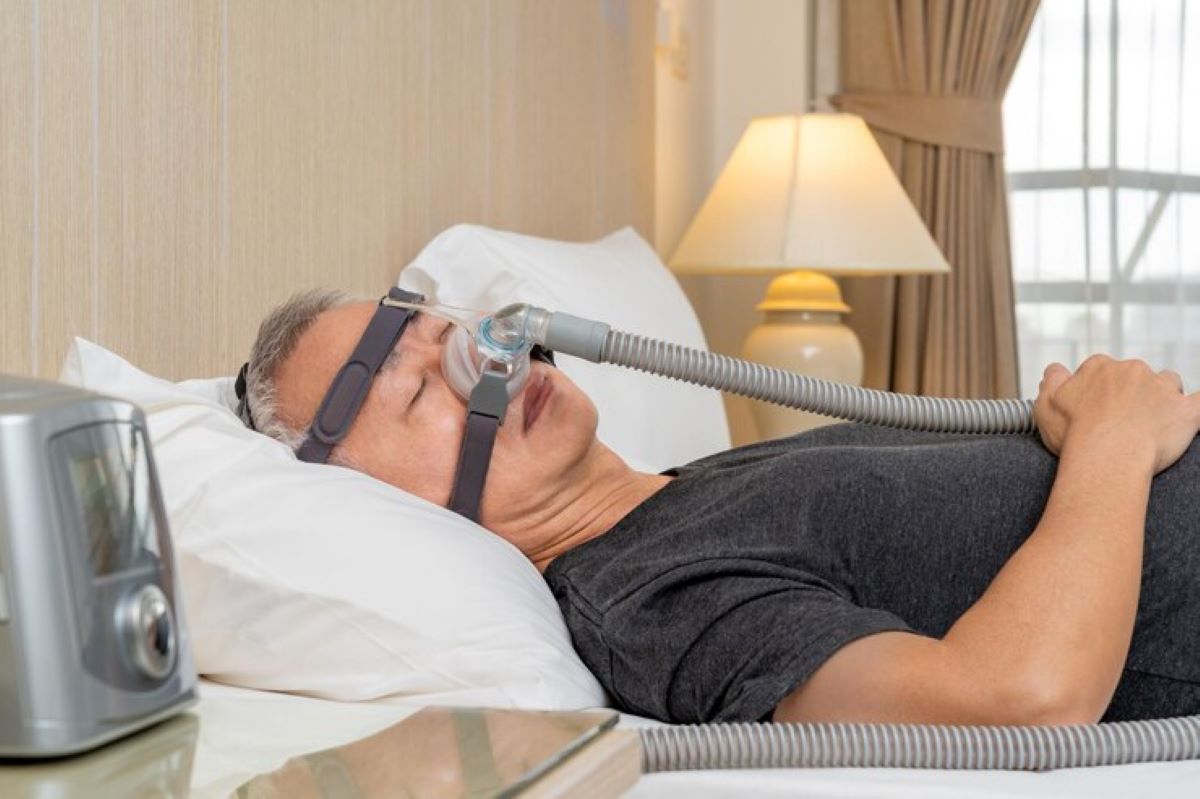
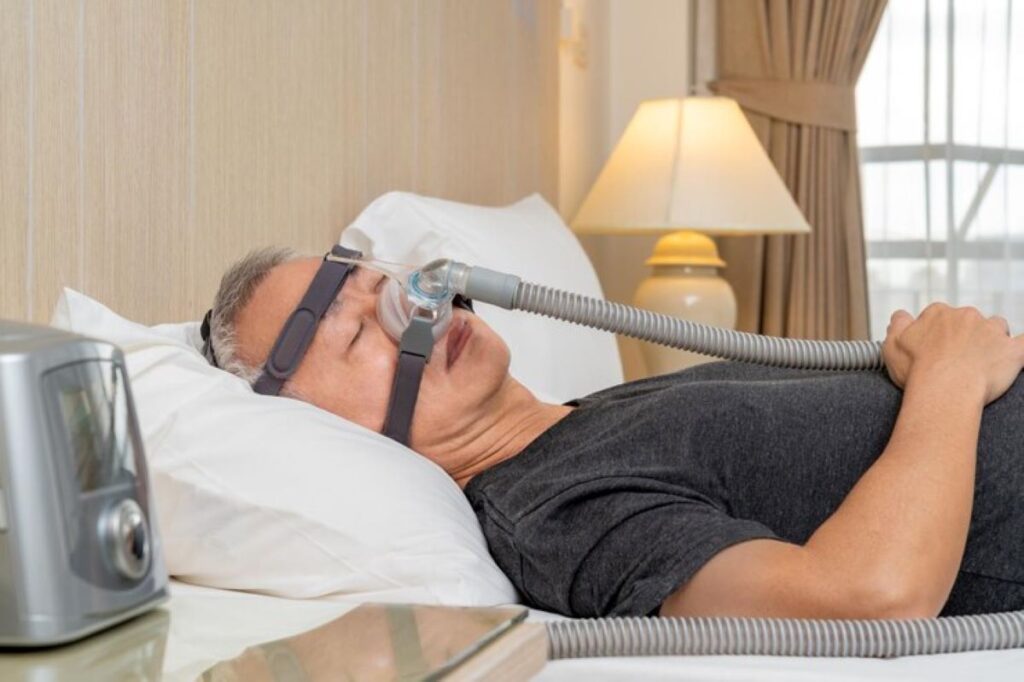
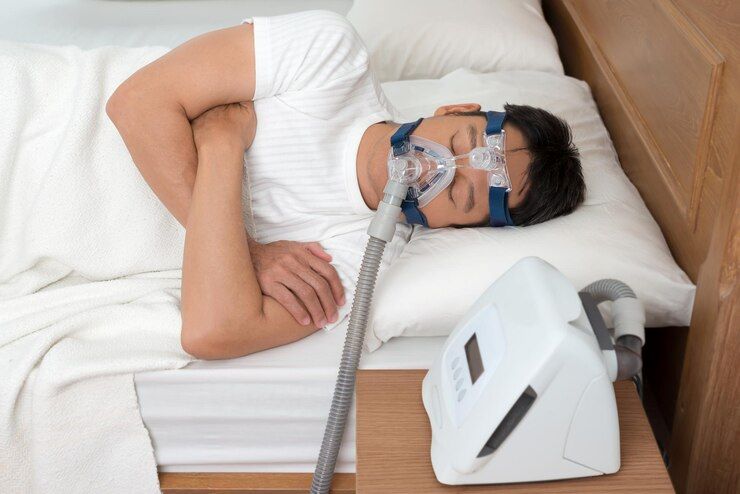
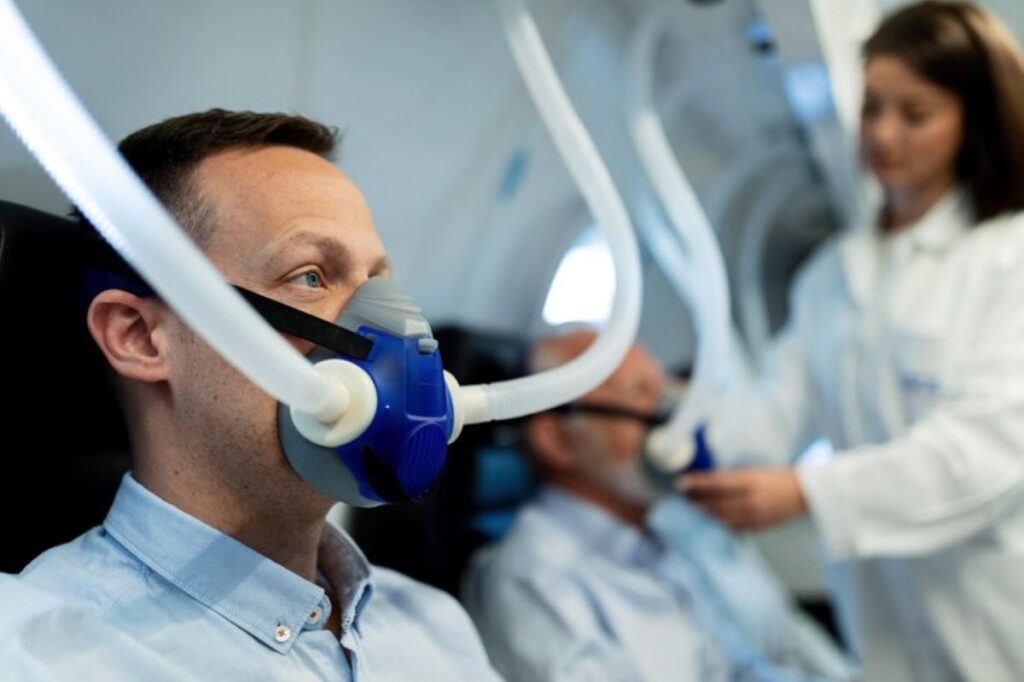
CPAP machines deliver continuous positive airway pressure through a mask worn during sleep, keeping airways open for people with obstructive sleep apnea (OSA). This sleep apnea treatment prevents the breathing pauses that characterize OSA, where throat muscles relax and block the airway repeatedly throughout the night.
The machine consists of three main components: a motor that generates pressurized air, a hose that delivers the air, and a mask that fits over your nose, mouth, or both. The steady stream of air acts as a pneumatic splint, maintaining enough pressure to prevent airway collapse during sleep.
CPAP therapy transforms sleep quality and overall health by eliminating the dangerous breathing interruptions that fragment sleep. Users typically experience:
Reduced daytime sleepiness and improved alertness
Better concentration and memory function
Lower blood pressure readings
Decreased risk of heart disease and stroke
Reduced strain on cardiovascular system
Elimination of loud snoring
The therapy works immediately once properly fitted, though adapting to wearing the mask takes time. Studies show consistent CPAP use can reverse many health complications associated with untreated sleep apnea, making it the gold standard treatment recommended by sleep specialists worldwide. The key to success lies in finding the right CPAP machine model and mask combination that fits your specific needs and lifestyle.
What Are the Different Types of CPAP Machines?
There are several types of CPAP machines available, each designed to cater to specific needs and preferences. Here’s a breakdown of the different types:
1. Fixed-Pressure CPAP
Fixed-pressure CPAP machines deliver a single, constant air pressure throughout the night. This pressure level is determined during a sleep study and remains unchanged, making these devices straightforward and reliable for users with consistent breathing patterns.
2. APAP Machines
APAP machines automatically adjust air pressure breath-by-breath based on real-time detection of breathing changes. These devices respond to variations in sleep position, sleep stages, or temporary blockages by increasing or decreasing pressure as needed. APAP technology benefits users whose pressure requirements fluctuate during the night or those who haven’t undergone a formal sleep study to determine optimal pressure settings.
3. BiPAP Machines
BiPAP machines provide two distinct pressure levels: a higher pressure during inhalation and a lower pressure during exhalation. This dual-pressure system makes breathing feel more natural and comfortable, particularly for patients who:
Require high pressure settings (typically above 15 cm H2O)
Experience difficulty exhaling against constant pressure
Have certain respiratory or cardiac conditions
Need treatment for central sleep apnea or complex sleep-disordered breathing
4. Travel CPAP
Travel CPAP devices prioritize portability and compact design, often weighing less than one pound. These machines fit easily in carry-on luggage and typically include battery options for camping or international travel. While convenient, travel models may lack advanced features like heated humidification or extensive data tracking found in full-sized units.
What Factors Should Be Considered When Choosing a CPAP Machine?
CPAP comfort and ease of use directly determine whether patients stick with their therapy long-term. Studies show that up to 50% of users abandon treatment within the first year, often due to discomfort or complexity. Machines with intuitive controls, clear displays, and simple maintenance routines encourage consistent nightly use.
Humidification features prevent the dry mouth, throat irritation, and nasal discomfort that plague many CPAP users. Integrated or heated humidifiers add moisture to the pressurized air, making therapy more tolerable during extended sleep periods. Some units offer adjustable humidity levels to match individual preferences and seasonal changes.
Noise level impacts both the user’s sleep quality and their partner’s rest. Modern CPAP machines typically operate between 25-30 decibels—roughly equivalent to a whisper—but older or lower-quality models can produce disruptive sounds. Checking manufacturer specifications and user reviews helps identify quieter options.
Mask compatibility varies across machines, with some models designed for specific mask styles. Verifying that your preferred mask type—whether nasal pillows, nasal masks, or full-face masks—works seamlessly with the machine prevents costly mismatches.
Special features enhance the therapy experience:
Ramp settings: gradually increase pressure over 5-45 minutes, helping users fall asleep comfortably
Connectivity options: sync therapy data with smartphone apps or healthcare providers for remote monitoring
Automatic altitude adjustments: maintain proper pressure during travel
Moreover, it’s essential to understand how CPAP therapy can improve sleep quality and overall health for those suffering from conditions like sleep apnea. For more information on CPAP machines and their benefits in treating sleep apnea, you can refer to this comprehensive resource from the Mayo Clinic.
How Do Mask Types Influence CPAP Therapy?
The mask you choose directly affects therapy success, comfort, and your ability to maintain consistent treatment. Each mask style serves different breathing patterns, facial structures, and pressure requirements.
1. Nasal Pillows Mask
Nasal pillows mask options insert soft cushions directly into the nostrils, creating minimal facial contact. These lightweight designs appeal to claustrophobic users, side sleepers, and those who wear glasses before bed. The open field of vision makes reading or watching television comfortable. Nasal pillows work best for low to moderate pressure settings and nasal breathers who keep their mouth closed during sleep.
2. Nasal Mask
Nasal mask designs cover the entire nose with a cushioned seal around the bridge and upper lip area. These masks accommodate a wider pressure range than nasal pillows while maintaining a smaller profile than full-face options. Users who move frequently during sleep or require moderate to high pressure levels often prefer this style. Active sleepers benefit from the secure fit that stays in place through position changes.
3. Full-Face Mask
Full-face mask coverage extends over both nose and mouth, providing the only viable option for mouth breathers or those with chronic nasal congestion. These masks become necessary when pressure settings exceed what nasal-only options can comfortably deliver. Users with facial hair that prevents proper nasal mask sealing also rely on full-face designs for leak-free therapy.
What Are Common Challenges When Starting CPAP Therapy and How Can They Be Managed?
Adapting to CPAP therapy typically requires a commitment of several weeks to months. Most users experience an initial adjustment period where wearing the mask and breathing against pressurized air feels unnatural. Starting with shorter wearing sessions during daytime naps helps build tolerance before attempting full nights. Many machines include a “ramp” feature that begins with lower pressure and gradually increases, making the transition less jarring.
Dry mouth management becomes necessary when air leaks through the mouth or when humidification levels are insufficient. Adding a heated humidifier to your CPAP machine introduces moisture to the airflow, preventing throat and mouth dryness. Switching from a nasal mask to a full-face mask eliminates air leaks for mouth breathers. Chin straps offer another solution by keeping the mouth closed during sleep when using nasal-only masks.
Nasal congestion relief often requires a multi-pronged approach. Adjusting the humidification settings higher adds more moisture to combat dryness-induced congestion. Using a nasal saline spray before bed clears passages and reduces inflammation. Some users benefit from positioning the mask differently to reduce pressure on nasal tissues. Persistent congestion may indicate the need for a different mask style or consultation with a sleep specialist about underlying sinus issues. Heated tubing prevents condensation that can worsen nasal irritation.
How Does Cost Affect the Choice of a CPAP Machine?
CPAP machine cost varies significantly depending on the type and features you select. Standard fixed-pressure CPAP machines typically range from $500 to $1,000, making them the most budget-friendly option for straightforward sleep apnea cases. Auto-adjusting CPAP (APAP) machines cost more due to their advanced pressure-sensing technology, while BiPAP units represent the highest investment because of their dual-pressure capabilities designed for complex respiratory needs.
Your budget should align with your specific sleep apnea severity and treatment requirements. Someone with mild to moderate OSA may find excellent results with a basic fixed-pressure unit, saving hundreds of dollars compared to premium models. Patients with severe sleep apnea or those who experience discomfort with constant pressure often benefit from investing in APAP or BiPAP machines despite the higher upfront cost.
Insurance coverage plays a crucial role in affordability. Most health insurance plans cover a portion of CPAP equipment costs when you have:
A formal sleep apnea diagnosis from a sleep study
A valid prescription from your healthcare provider
Documentation showing medical necessity
Out-of-pocket expenses depend on your deductible, copay structure, and whether your insurance requires specific suppliers or brands. Some insurance plans also cover replacement supplies like masks, filters, and tubing on a scheduled basis, reducing long-term maintenance costs.
When Should Users Consult a Sleep Specialist Regarding Their CPAP Therapy?
Users should schedule a sleep specialist consultation if symptoms persist after 4-6 weeks of consistent CPAP use. Continued daytime fatigue, morning headaches, or loud snoring despite wearing the machine indicate therapy may not be working properly.
Warning signs requiring professional evaluation include:
Persistent difficulty falling or staying asleep with the device
Ongoing dry mouth or throat irritation despite humidification adjustments
Frequent mask leaks that cannot be resolved through repositioning
Skin irritation, pressure sores, or rashes from mask contact
Claustrophobia or anxiety that prevents regular use
Pressure settings that feel too high or too low
Continued breathing pauses noticed by sleep partners
A sleep specialist can review therapy data from machines with connectivity features to identify patterns of mask leaks, pressure inadequacies, or usage gaps. They may recommend different pressure settings, alternative mask styles, or switching between fixed-pressure and auto-adjusting models. Some patients discover they need BiPAP therapy instead of standard CPAP after initial treatment proves insufficient.
One crucial aspect a sleep specialist might consider is conducting a CPAP titration study, which helps in determining the optimal pressure settings for the patient’s specific needs.
Regular follow-up appointments help optimize CPAP Machines: How to Choose the Right Model for Your Sleep Apnea Needs, ensuring the selected equipment continues meeting changing health requirements. Weight loss, weight gain, or new medical conditions can alter airway dynamics and pressure requirements over time.
Conclusion
Choosing the right CPAP machine requires careful consideration of your specific sleep apnea needs, lifestyle, and comfort preferences. The decision impacts your nightly therapy adherence and long-term health outcomes.
Professional guidance makes the difference. Sleep specialists can help you navigate the options between fixed-pressure, APAP, and BiPAP machines while considering factors like mask compatibility, humidification needs, and special features. They’ll ensure your prescription matches your condition severity and adjust settings as needed.
Don’t hesitate to reach out to your healthcare provider when:
You’re uncertain about which machine type suits your breathing patterns
Persistent discomfort affects your therapy compliance
Questions arise about insurance coverage or equipment features
Adjustments seem necessary after starting treatment
Your sleep health deserves expert attention—the right support transforms CPAP therapy from a challenge into an effective, sustainable solution for better rest and improved quality of life.
Why Do They Need a Prescription to Buy a CPAP Machine Online?
A CPAP prescription requirement exists because these devices are classified as Class II medical devices by the FDA, making them legally available only through a doctor’s prescription following a sleep apnea diagnosis. Federal law mandates this requirement to protect patients from using potentially harmful equipment without proper medical evaluation.
The prescription process begins with a sleep study—either in a laboratory or through an at-home test—where specialists monitor breathing patterns, oxygen levels, and sleep disruptions. Based on these results, a physician determines whether CPAP therapy is appropriate and specifies the necessary pressure settings. This medical oversight ensures patients receive equipment calibrated to their specific condition severity.
What Happens When Buyers Skip the Prescription?
Purchasing without a prescription creates several serious risks:
Incorrect pressure settings can worsen sleep apnea symptoms or cause discomfort, leading to therapy abandonment
Undiagnosed conditions may go untreated if patients self-diagnose without proper medical evaluation
Warranty voidance often occurs with unauthorized purchases, leaving buyers without manufacturer support
Insurance denial prevents reimbursement claims when no valid prescription exists
How Do Medical Professionals Guide Device Selection?
Sleep specialists and doctors play a vital role beyond simply issuing prescriptions, especially when patients plan to buy a CPAP machine online. They carefully evaluate individual factors such as:
• Apnea severity measured by the Apnea–Hypopnea Index (AHI) • Breathing patterns that may require bilevel therapy (BiPAP) rather than continuous pressure • Physical characteristics that influence mask fit and long-term comfort • Coexisting conditions, including central sleep apnea or other respiratory disorders
This professional oversight helps prevent patients from choosing unsuitable equipment types or incorrect pressure settings when they buy a CPAP machine online. Purchasing through authorized suppliers with valid prescription documentation not only ensures legal compliance but also delivers optimal therapy outcomes tailored to each patient’s medical needs.
Where Should They Buy Their CPAP Machine Online?
1. Authorized CPAP Retailers: The Safest Option
Authorized CPAP retailers represent the safest option for purchasing sleep therapy equipment. These sellers maintain direct relationships with manufacturers, ensuring every machine comes with valid warranties, authentic parts, and access to customer support channels.
2. Manufacturer Websites: Reliable and Educational
Manufacturer websites offer another reliable purchasing avenue. Buying directly from companies like ResMed, Philips Respironics, or Fisher & Paykel guarantees product authenticity and often includes educational resources about proper device usage. These sites typically verify prescriptions before processing orders and provide comprehensive product documentation.
3. Telehealth Providers: Convenient Solutions for Patients
Telehealth providers have emerged as a convenient solution for patients seeking both prescriptions and equipment. Services like Lofta, Sleep Doctor, and Easy Breathe combine virtual sleep consultations with direct equipment sales, streamlining the entire process from diagnosis to delivery.
The Hidden Dangers of Unauthorized Sellers
Third-party marketplaces and private sellers present significant risks despite potentially lower prices. These platforms often lack prescription verification systems, making it easier to bypass legal requirements. Machines purchased through these channels may be:
Refurbished units sold as new
Counterfeit devices with substandard components
Equipment without manufacturer warranties
Devices with tampered pressure settings
Private sellers on auction sites or classified ads cannot provide the same accountability as established retailers. Without proper documentation, buyers risk receiving machines that don’t meet medical-grade standards or lack essential safety certifications.
Why Telehealth Providers Offer Comprehensive Value
Telehealth providers deliver more than just equipment sales. They coordinate at-home sleep tests, connect patients with board-certified sleep specialists, and handle insurance paperwork. This integrated approach eliminates the need to juggle multiple appointments and vendors.
Many telehealth services include ongoing support through virtual check-ins, allowing sleep specialists to adjust therapy settings remotely based on machine data. This continuous care model helps patients achieve better treatment outcomes compared to simply purchasing equipment without professional guidance.
What Types of PAP Machines Should They Consider?
Understanding Different Types of PAP Machines
There are several types of PAP machines available, each designed to cater to specific needs and preferences. Here’s a breakdown of the main types:
1. CPAP (Continuous Positive Airway Pressure)
CPAP machines deliver a single, constant pressure throughout the night. This standard option works well for patients with straightforward obstructive sleep apnea who need consistent airflow to keep their airways open during sleep.
2. BiPAP (Bilevel Positive Airway Pressure)
BiPAP machines provide two different pressure levels—one for inhalation and a lower one for exhalation. Doctors typically prescribe BiPAP for patients who:
Struggle with the constant pressure of traditional CPAP therapy
Have central sleep apnea or complex sleep apnea syndrome
Need higher pressure settings that make exhaling difficult
APAP machines automatically adjust pressure levels throughout the night based on breathing patterns. These devices respond to changes in sleep position, sleep stages, and airway resistance, making them ideal for patients with varying pressure needs.
Matching Machine Type to Patient Needs
The severity of sleep apnea directly influences which PAP device option works best. Mild to moderate cases often respond well to standard CPAP therapy, while severe apnea may require BiPAP’s dual-pressure system. Patients who sleep in multiple positions or experience weight fluctuations benefit from APAP’s adaptive technology.
Physical comfort plays a significant role in machine selection. Those who find constant pressure uncomfortable during exhalation prefer BiPAP’s pressure relief feature. Patients sensitive to pressure changes appreciate APAP’s gradual adjustments that prevent abrupt shifts during sleep.
Your prescribed pressure settings determine available options. High-pressure requirements (above 15 cmH2O) often necessitate BiPAP to maintain comfortable exhalation. Budget considerations matter too—CPAP machines cost less than BiPAP or APAP models, though insurance coverage may offset price differences.
The sleep study results and physician recommendations provide the foundation for choosing between CPAP types, BiPAP vs APAP configurations based on individual breathing patterns and therapeutic needs.
What Accessories Are Essential When Buying a CPAP Machine Online?
CPAP accessories directly impact therapy comfort and effectiveness, making them as important as the machine itself. The right combination of mask, tubing, and additional components ensures consistent nightly use and better treatment outcomes.
Mask Selection Based on Sleep Patterns
Three primary mask types serve different breathing habits and comfort preferences:
Nasal masks cover only the nose, ideal for patients who breathe through their nose and prefer minimal facial coverage
Nasal pillow masks insert directly into the nostrils, offering the least intrusive option for active sleepers and those who feel claustrophobic
Full-face masks cover both nose and mouth, necessary for mouth breathers or patients with chronic nasal congestion. For those struggling with mouth breathing while using CPAP, a full-face mask may be the most suitable option.
Mask fit determines therapy success. Poorly fitted masks leak air, reduce pressure effectiveness, and cause skin irritation. Many online retailers offer sizing guides and virtual fitting consultations to help buyers select appropriate dimensions.
Tubing Considerations for Temperature Control
Standard tubing connects the machine to the mask, but heated tubing prevents condensation buildup (commonly called “rainout”). Heated options maintain consistent air temperature throughout the night, reducing moisture accumulation that can disrupt sleep. Non-heated tubing costs less but may require additional room temperature adjustments.
Filters and Humidifiers for Enhanced Comfort
Disposable filters require monthly replacement, while non-disposable filters need weekly cleaning. Both protect users from dust and allergens entering the airway. Built-in or external humidifiers add moisture to pressurized air, preventing dry mouth, throat irritation, and nasal congestion. Adjustable humidity settings allow personalization based on climate and individual sensitivity.
When buying CPAP accessories online, verify compatibility with your specific machine model. Authorized retailers typically list compatible accessories, reducing the risk of purchasing incompatible components that compromise therapy effectiveness.
How Can They Check If Their Insurance Covers a CPAP Machine Purchase?
Insurance coverage for CPAP machines varies significantly between plans, with most health insurance providers and Medicare classifying these devices as durable medical equipment insurance that qualifies for partial or full reimbursement. Private insurance plans typically cover 50-80% of the machine cost after meeting deductibles, while Medicare CPAP benefits usually cover 80% of the approved amount once Part B deductible requirements are met.
Contacting Your Insurance Provider
The verification process starts with contacting the insurance provider directly through their customer service line or member portal. Patients should request specific information about their durable medical equipment benefits, including:
Coverage percentage for CPAP machines and accessories
Annual deductible amounts and whether they’ve been met
Pre-authorization requirements before purchase
Approved supplier networks and restrictions
Documentation needed from healthcare providers
Understanding Medicare Requirements
Medicare beneficiaries face additional requirements beyond standard private insurance. Part B covers CPAP therapy only after a face-to-face evaluation with a doctor and a qualifying sleep study. The coverage continues for a 13-week trial period, during which patients must demonstrate compliance by using the machine at least 4 hours per night for 70% of nights.
Knowing Your Supplier Options
Many insurance plans require purchasing from in-network suppliers or specific authorized retailers to receive coverage. Buying from unauthorized sellers or third-party marketplaces often voids insurance reimbursement entirely, leaving patients responsible for the full cost.
Getting Written Confirmation
Patients should obtain a detailed breakdown of covered items in writing before purchasing. Some plans cover the machine itself but exclude masks, tubing, or humidifiers, creating unexpected out-of-pocket expenses. Request a benefits verification letter that specifies covered equipment, replacement schedules for supplies, and any ongoing compliance monitoring requirements.
Confirming Claims Submission Process
The supplier or online retailer should handle insurance claims submission if they’re in-network. Verify whether they offer this service and how long reimbursement typically takes to process.
What Machine Features Should Buyers Evaluate Before Purchasing?
Adjustable Pressure Settings
Adjustable pressure settings rank among the most critical CPAP machine features to evaluate. Machines typically offer pressure ranges between 4 and 20 cm H2O, allowing customization based on your prescription requirements. Your sleep specialist determines the exact pressure needed to keep your airway open during sleep, and the machine must accommodate this specific setting. APAP machines automatically adjust pressure throughout the night, while standard CPAP models maintain constant pressure levels.
Noise Level
Noise level directly affects therapy compliance and sleep quality. Modern CPAP machines operate between 25-30 decibels, roughly equivalent to a whisper or quiet library. Older or lower-quality models may produce disruptive sounds that disturb both users and bed partners. Check manufacturer specifications for decibel ratings and read customer reviews mentioning noise performance during actual use.
Built-in Humidifiers
Built-in humidifiers prevent common side effects like dry mouth, nasal congestion, and throat irritation. Heated humidification systems offer superior comfort by warming the air before delivery, reducing condensation in tubing. Some machines include integrated humidifiers, while others require separate attachments. Consider your climate and personal sensitivity to dry air when evaluating this feature.
Portability
Portability matters for frequent travelers or those with limited bedroom space. Travel-sized CPAP machines weigh between 0.6-2 pounds and fit easily in carry-on luggage. These compact models maintain therapeutic effectiveness while offering convenience. Standard machines typically weigh 3-5 pounds and include larger water chambers and more robust features.
Data Tracking Capabilities
Data tracking capabilities allow both patients and doctors to monitor therapy effectiveness. Advanced machines record usage hours, mask leak rates, apnea events per hour, and pressure delivery patterns. This information helps healthcare providers adjust treatment plans and confirms insurance compliance requirements. Look for machines with Bluetooth connectivity or removable SD cards for easy data access and sharing with your sleep specialist. Check out more about how to choose the right model for your sleep apnea needs.
Why Is Warranty and Return Policy Important When Buying Online?
What protection do CPAP warranty terms actually provide?
Most CPAP machines come with a standard 2-year manufacturer warranty covering defects in materials and workmanship. This warranty protects against mechanical failures, motor issues, and electronic malfunctions that occur under normal use conditions.
The warranty typically excludes consumable items like masks, filters, tubing, and water chambers. These accessories have separate, shorter warranty periods ranging from 30 to 90 days. Some manufacturers offer extended warranty options for an additional fee, pushing coverage to 3 or 5 years.
When buying a CPAP machine online, warranty coverage becomes even more critical
since you can’t physically inspect the device before purchase. Authorized retailers honor manufacturer warranties and provide documentation needed for future claims. Third-party sellers may offer machines without valid warranty coverage or refuse to process warranty claims.
How valuable are trial return policies for CPAP machines?
A trial period importance cannot be overstated when investing $500 to $3,000 in sleep therapy equipment. Many reputable online sellers offer 30 to 90-day trial periods, allowing users to test the machine in their home environment.
The return policy for CPAP machines should clearly state:
Trial duration (typically 30, 60, or 90 days)
Restocking fees (ranging from 0% to 20%)
Return shipping costs (buyer or seller responsibility)
Refund processing time (usually 7-14 business days)
Some users discover their prescribed machine doesn’t suit their sleeping position, causes discomfort, or produces unexpected noise levels. Without a flexible return policy, they’re stuck with an expensive device that won’t be used. Trial periods allow time to adjust to therapy and determine if the specific model meets individual needs before committing to the purchase.
How Should They Maintain and Clean Their New CPAP Machine?
CPAP cleaning methods require daily attention to specific components and weekly deep cleaning of others. The mask, cushion, and headgear need washing every morning with warm water and mild, fragrance-free soap, then air-dried away from direct sunlight to prevent material degradation.
The water chamber demands daily emptying and rinsing with distilled water only. Tap water contains minerals that create buildup and potentially harbor bacteria. Once weekly, the chamber should soak in a solution of one part white vinegar to three parts water for 20 minutes, followed by thorough rinsing.
Device maintenance tips for tubing involve weekly washing with the same mild soap solution. Users should hang the tubing to drip-dry completely before reconnecting it to prevent moisture accumulation that breeds mold. Heated tubing requires extra care to avoid damaging internal heating elements during cleaning.
The machine’s exterior needs wiping with a damp cloth weekly. Users should never submerge the main device in water or use harsh chemicals that damage electronic components.
Approved CPAP sanitizers using UV light or activated oxygen offer automated cleaning options. These devices eliminate 99.9% of bacteria and germs within 30 minutes. Users should verify their machine manufacturer approves specific sanitizer models, as some void warranties.
Storage matters for longevity. The machine should sit on a flat, stable surface with adequate ventilation around air intake vents. Covering the device between uses protects it from dust but requires breathable fabric rather than plastic. You may like to visit https://www.schn.health.nsw.gov.au/cpap-continuous-positive-airway-pressure-therapy-factsheet to get more about CPAP therapy.
Filter replacement schedules vary by type:
Disposable filters: Replace every 2-4 weeks depending on air quality
Non-disposable filters: Wash weekly with water only, replace every 6 months
Ultra-fine filters: Check monthly, replace when discolored
How Can Customer Reviews and Support Influence Their Purchase Decision?
Customer reviews for CPAP machines provide real-world insights that product descriptions cannot capture. Users share detailed experiences about machine performance, actual noise levels during operation, and comfort issues that only become apparent after weeks of nightly use.
Reviews reveal patterns that help identify potential problems before purchase. When multiple users mention a specific machine’s motor becoming louder after several months, or a particular mask style causing skin irritation, these warnings prove invaluable. Positive reviews highlighting consistent pressure delivery, quiet operation throughout the night, and durable construction help narrow down reliable options.
Performance feedback in customer reviews often addresses:
Actual noise levels compared to manufacturer specifications
Ease of adjusting pressure settings
Reliability of humidifier functions
Durability of components after extended use
Effectiveness in reducing apnea events
The quality of customer support becomes critical when technical issues arise or questions about therapy compliance emerge. Reviews discussing response times, helpfulness of support staff, and resolution of warranty claims indicate how a seller treats customers after the sale. Companies offering virtual consultations, troubleshooting assistance, and replacement part guidance demonstrate commitment to patient success.
Support services worth evaluating through reviews include:
Availability of technical assistance during setup
Access to respiratory therapists for therapy questions
Responsiveness to warranty claims and defective equipment
Assistance with insurance documentation and claims
Educational resources for new CPAP users
Negative reviews about poor customer service, delayed responses to equipment failures, or difficulty processing returns signal potential frustrations. Retailers with consistently high ratings for both product quality and support responsiveness typically provide better long-term value, even if initial prices appear slightly higher than competitors.
What Shipping Considerations Should They Keep in Mind When Buying Online?
Shipping policies directly affect when therapy can begin. Buyers should verify delivery timeframes before completing their purchase, as delayed shipments can postpone treatment for sleep apnea. Most authorized retailers provide estimated delivery dates during checkout, typically ranging from 2-7 business days for standard shipping.
Shipping costs vary significantly between sellers. Some online CPAP retailers offer free shipping on orders above a certain threshold, while others charge flat rates or calculate fees based on location and weight. When comparing prices between vendors, buyers must factor in these shipping expenses to determine the true total cost.
Key Shipping Details to Verify
Delivery speed options: Standard, expedited, or overnight shipping availability
Tracking capabilities: Real-time package monitoring through carrier websites
Signature requirements: Whether someone must be present to receive the delivery
Shipping restrictions: Geographic limitations or international delivery policies
Packaging discretion: Whether the box displays medical equipment labels
Insurance claims processing can affect shipping timelines. Retailers who handle insurance paperwork may require additional processing days before shipping the equipment. Buyers should ask whether the seller submits claims before or after shipment, as this impacts when they’ll receive their machine.
Damaged or lost shipments need clear resolution protocols. Reputable sellers provide replacement guarantees for items damaged during transit. Buyers should confirm the seller’s policy for reporting shipping damage and the timeframe for receiving replacement equipment without additional charges.
Prescription verification may delay shipment. Since CPAP machines require valid prescriptions, sellers must verify documentation before processing orders. This verification typically adds 1-3 business days to the shipping timeline. Buyers can expedite this process by uploading prescription documents immediately after ordering rather than waiting for the seller to request them.
When you buy CPAP machine online, understanding shipping policies for CPAP machines prevents unexpected delays in starting therapy.
Living with sleep apnea can feel exhausting, frustrating, and even overwhelming — especially if you’re just starting CPAP therapy. Continuous Positive Airway Pressure (CPAP) machines are considered the gold standard treatment for obstructive sleep apnea, but for many, the adjustment period can be challenging. Understanding what to expect, how to troubleshoot, and tips for a smoother transition can help you reclaim restful sleep and improve overall sleep health.
Why CPAP Therapy Is Important
Sleep apnea disrupts your breathing during sleep, leading to frequent awakenings, oxygen deprivation, and a feeling of being tired after sleeping. Over time, untreated sleep apnea can contribute to high blood pressure, heart disease, diabetes, and cognitive issues.
CPAP therapy keeps your airway open by providing a steady flow of air through a mask. This simple intervention can restore deep, restorative sleep and reduce the risks associated with untreated sleep apnea.
What to Expect When Starting CPAP Therapy
1. Initial Discomfort Is Normal
When you first use a CPAP machine, it may feel strange. Common early experiences include:
A sense of pressure in your nose or mouth
Slight congestion or dry mouth
Mild skin irritation from the mask
These issues typically improve as your body adjusts. Many patients report feeling refreshed and energized once they adapt.
2. Choosing the Right Mask
CPAP masks come in several types:
Nasal masks cover your nose
Full-face masks cover both your nose and mouth
Nasal pillows fit directly into the nostrils
Finding the right fit is critical. An uncomfortable mask can cause leaks, skin irritation, or difficulty sleeping.
3. Adjusting to the Pressure
CPAP machines can have fixed or auto-adjusting pressure settings. Some people may initially feel that the pressure is too high or too low. Sleep specialists can fine-tune settings to maximize comfort and effectiveness.
Try using your CPAP for short periods while awake to get used to the mask and airflow. Gradually increase usage until you can wear it throughout the night.
2. Keep the Equipment Clean
Regularly clean the mask, tubing, and water chamber to prevent bacteria and mold growth. Clean equipment also reduces irritation and improves comfort.
3. Use a Humidifier
Dry nose and throat are common complaints. Many CPAP machines have built-in humidifiers that keep the airflow moist and comfortable.
4. Practice Good Sleep Hygiene
Consistent sleep schedules, a cool, dark bedroom, and avoiding caffeine before bed enhance CPAP therapy effectiveness.
5. Seek Support
CPAP therapy can be easier with guidance. Ask your sleep specialist about troubleshooting tips, or connect with support groups online for advice from other patients.
Why CPAP Therapy Works
By maintaining an open airway, CPAP therapy:
Reduces nighttime awakenings
Improves oxygen flow
Restores deep sleep cycles
Decreases daytime fatigue
Reduces long-term risks such as heart disease and hypertension
Even if you’ve been feeling tired after sleeping for years, consistent CPAP use can transform your sleep quality and overall health.
Common Challenges and Solutions
1. Mask Leaks
Leaks are a common frustration. Solutions include:
Adjusting the headgear straps
Trying a different mask style
Using mask liners or cushions
2. Difficulty Exhaling
Some people find exhaling against the pressure difficult. Machines with expiratory pressure relief can reduce discomfort during exhalation.
3. Dryness or Congestion
Humidifiers, saline sprays, or nasal filters help keep airways comfortable.
4. Anxiety or Claustrophobia
Practice wearing the mask during the day while relaxing or reading. Gradual exposure can reduce anxiety.
The Long-Term Benefits of CPAP Therapy
Patients who consistently use CPAP therapy experience significant improvements:
Increased energy and alertness during the day
Improved mood and cognitive function
Reduced risk of high blood pressure and heart complications
Better quality of life and overall well-being
CPAP therapy is not just about treating symptoms — it protects your heart, brain, and overall health while giving you the restorative sleep your body needs.
Conclusion: CPAP Therapy Can Change Your Life
Adjusting to CPAP therapy may take time, patience, and support, but the benefits are profound. If you experience symptoms such as loud snoring, daytime fatigue, or tiredness after sleeping, a sleep study can determine if CPAP therapy is right for you.
Take charge of your sleep health today — consult a sleep specialist, commit to consistent CPAP use, and enjoy the life-changing benefits of better sleep.
FAQS
How long does it take to get used to CPAP therapy?
Adjustment varies, but most people adapt within a few weeks. Starting slowly, practicing with the mask while awake, and gradually increasing nightly usage can help speed adaptation.
Can CPAP therapy improve daytime energy?
Yes. By preventing airway obstruction and restoring deep sleep, CPAP reduces fatigue, increases alertness, and enhances concentration and mood during the day.
What if my mask feels uncomfortable?
Comfort is key for effective therapy. Try different mask styles, adjust headgear straps, or use cushions/liners to reduce leaks and irritation. Your sleep specialist can help you find the best fit.
Are there alternatives to CPAP therapy?
Yes. Options include oral appliances, lifestyle changes like weight loss, positional therapy, and, in severe cases, surgical interventions. CPAP remains the most effective treatment for moderate to severe sleep apnea.
Effective communication is a fundamental skill that shapes a child’s ability to interact with the world around them. In Castle Hill, speech therapy plays a pivotal role in helping children overcome communication disorders, enabling them to express themselves with confidence. This article delves into the significance of speech therapy, the various methods employed, and the positive impact it has on children’s lives.
The Importance of Speech Therapy
Speech therapy is not merely a remedial service; it is a vital resource that equips children with the necessary tools to thrive in their social and academic environments. In New South Wales, approximately 13% of children in primary and secondary schools are affected by communication disorders, highlighting the need for accessible speech therapy services.
According to a spokesperson from Chat Well, “Speech therapy is not just about fixing a problem; it’s about giving children the tools they need to thrive in life.” This perspective underscores the holistic approach taken by speech therapists, who aim to foster not only communication skills but also self-esteem and social interaction.
Furthermore, the Australian speech therapy market is expanding, driven by increased awareness of speech and communication disorders and improved healthcare access. This growth is essential in ensuring that children, especially those in socioeconomically disadvantaged areas, can easily find speech therapy near me and receive the support they need.
Understanding Communication Disorders
Communication disorders can manifest in various forms, including speech delays, stuttering, and language impairments. These challenges can significantly hinder a child’s ability to express themselves, leading to frustration and social withdrawal.
Research indicates that over 50% of young offenders in Australia have language impairments, suggesting a strong link between communication difficulties and behavioural issues. This correlation highlights the importance of early intervention through speech therapy, which can help mitigate such risks.
Fluency Disorders: Challenges with the flow of speech, such as stuttering.
Language Disorders: Difficulty understanding or using language effectively.
How Speech Therapy Works
Speech therapy employs a variety of techniques tailored to each child’s unique needs. The therapy process typically begins with an assessment conducted by a qualified speech pathologist, who evaluates the child’s communication abilities and identifies specific areas for improvement.
Once the assessment is complete, the speech pathologist develops a personalised treatment plan that may include:
Individual Therapy Sessions: One-on-one sessions focusing on targeted skills.
Group Therapy: Encouraging social interaction and communication in a supportive environment.
Family Involvement: Engaging parents and caregivers in the therapy process to reinforce skills at home.
Innovative Approaches in Speech Therapy
Recent developments in technology have introduced innovative approaches to speech therapy. For instance, a digital speech therapy app designed for stuttering has shown promising results, leading to a 52.7% reduction in overall stuttering severity among participants. Such advancements make therapy more accessible and engaging for children.
In Castle Hill, local speech therapists are increasingly incorporating these digital tools into their practice, allowing children to practise their skills in a fun and interactive manner. This blend of traditional and modern methods ensures that therapy remains effective and relevant.
The Role of Parents and Caregivers
Parents and caregivers play a crucial role in the speech therapy process. Their involvement not only reinforces the skills learned during therapy sessions but also provides emotional support to the child. Taking the first step to seek support demonstrates incredible care for a child’s development, as noted by experts in the field.
In the Hills District community, resources are readily available to connect families with the right professionals. Speech therapists often provide guidance on how parents can support their child’s communication development at home, ensuring that progress continues outside of therapy sessions.
Learn about: Exploring Occupational Therapy Australia: Nationwide Options for Families
Creating a Supportive Environment
Creating a nurturing and supportive environment at home is essential for a child’s communication development. Parents can foster this environment by:
Encouraging Open Dialogue: Allowing children to express themselves freely without fear of judgement.
Engaging in Interactive Activities: Playing games that promote language skills, such as storytelling and role-playing.
Access to speech therapy services in Castle Hill has improved significantly in recent years, with a 30% increase in the number of practising speech pathologists in Australia between 2015 and 2020. This growth reflects the rising demand for speech therapy, as more families recognise the importance of addressing communication disorders early.
In Castle Hill, families can find a range of services, from private practices to community health centres, offering tailored speech therapy programmes. Many therapists also provide telehealth options, making it easier for families to access support from the comfort of their homes.
Choosing the Right Speech Therapist
When selecting a speech therapist, it is essential to consider several factors to ensure the best fit for your child:
Qualifications and Experience: Look for therapists with relevant qualifications and experience in treating specific communication disorders.
Approach to Therapy: Consider the therapist’s methodology and whether it aligns with your child’s needs and personality.
Feedback from Other Families: Seek recommendations from other parents to gauge the therapist’s effectiveness and rapport with children.
Conclusion
Speech therapy in Castle Hill is a vital resource for children facing communication challenges. By providing tailored support and fostering a nurturing environment, speech therapists empower children to communicate with confidence. As awareness of communication disorders continues to grow, it is crucial for families to seek out the necessary resources and support to ensure their children can thrive in all aspects of life.
With the right tools and guidance, every child has the potential to overcome communication barriers and develop the skills needed for a successful future.
Learn more: Exploring Occupational Therapy Australia: Nationwide Options for Families
FAQs about Speech Therapy in Castle Hill
1. What is speech therapy and why is it important for children?
Speech therapy helps children overcome communication disorders, improve their language skills, and build confidence in social and academic settings.
2. At what age should I consider speech therapy for my child?
Early intervention is key. If your child shows delays in speech, stuttering, or difficulty understanding language, it’s best to consult a speech therapist as early as preschool years.
3. What types of communication disorders can speech therapy address?
Speech therapy can help with articulation disorders, fluency disorders (like stuttering), and language disorders that affect comprehension and expression.
4. How does speech therapy work for children in Castle Hill?
Local speech therapists start with an assessment and create a personalised treatment plan, which may include one-on-one sessions, group therapy, and family involvement.
5. Are there digital or online options for speech therapy in Castle Hill?
Yes, many therapists now offer telehealth sessions and use digital apps that make therapy more engaging and accessible for children.
6. What role do parents play in the speech therapy process?
Parents and caregivers play a vital role by reinforcing therapy techniques at home, encouraging open communication, and supporting their child emotionally.
7. How can I choose the right speech therapist for my child?
Consider qualifications, experience with your child’s specific disorder, therapy approach, and feedback from other families in the Castle Hill or Hills District community.
8. Where can families in Castle Hill access speech therapy services?
Families can find services through private practices, community health centres, and telehealth options, all of which provide tailored support for children.
Occupational therapy (OT) is an essential healthcare profession that focuses on helping individuals achieve independence in their daily activities. In Australia, the field of occupational therapy has seen significant growth, with the number of registered occupational therapists soaring to 29,473 as of March 2023, reflecting a remarkable 171% increase since 2013. This article delves into the various aspects of occupational therapy in Australia, offering insights into the services available for families, the role of technology, and the challenges faced by practitioners in rural areas.
Understanding Occupational Therapy
Occupational therapy Sydney services are designed to assist individuals of all ages in overcoming barriers to participation in daily life. This can include helping children with developmental delays, adults recovering from injuries, or elderly individuals facing mobility issues. The primary goal of occupational therapy Sydney is to enable clients to engage in meaningful activities that enhance their quality of life.
Occupational therapists in Sydney employ a holistic approach, assessing not only the physical capabilities of their clients but also considering emotional, social, and environmental factors that may impact their ability to perform daily tasks. This comprehensive assessment allows therapists to create tailored intervention plans that address the unique needs of each individual.
Key Areas of Focus
Physical Rehabilitation: Helping clients regain strength and mobility after injuries or surgeries.
Developmental Support: Assisting children with developmental challenges to improve their skills.
Assistive Technology: Integrating technology and adaptive devices to enhance independence.
Mental Health: Supporting individuals with mental health issues to manage daily activities.
Services Available for Families
Families seeking occupational therapy services in Australia have access to a wide range of options. These services can be delivered in various settings, including hospitals, community health centres, schools, and private practices. The flexibility of service delivery is crucial in ensuring that families can find the right support for their needs.
One of the most significant developments in recent years has been the rise of telehealth occupational therapy services, which increased by over 200% during the COVID-19 pandemic. This shift has allowed families to access therapy from the comfort of their homes, making it easier for those in remote areas to receive the care they need.
Learn about : How Speech Therapy in Castle Hill Helps Children Communicate with Confidence
Types of Services Offered
Occupational therapists provide a variety of services tailored to meet the needs of different populations:
Assessment and Evaluation: Comprehensive assessments to identify the specific needs and goals of clients.
Individual Therapy: One-on-one sessions focusing on personal goals and challenges.
Group Therapy: Facilitated sessions that promote social interaction and shared learning experiences.
Home Modifications: Recommendations for changes to living environments to enhance accessibility and safety.
The Role of Technology in Occupational Therapy
Technology plays a pivotal role in modern occupational therapy practices. Over 70% of occupational therapy sessions involve the use of assistive devices and technology, which can significantly enhance the effectiveness of interventions. From simple tools to sophisticated software applications, technology is transforming how therapists deliver care.
Recent innovations include co-designed applications that empower therapists to manage reminiscence interventions effectively. Such tools not only streamline the therapy process but also engage clients in meaningful ways, making therapy more enjoyable and impactful.
Assistive Devices and Their Impact
Assistive devices are crucial in helping clients perform daily activities. These can range from basic tools like grab bars and adaptive utensils to advanced technologies such as speech-generating devices and mobility aids. The integration of these devices into therapy sessions allows therapists to provide tailored support that meets the specific needs of each client.
Moreover, the Australian occupational therapy software market is projected to reach USD 10.4 million by 2030, growing at a compound annual growth rate of 11.6%. This growth indicates a rising demand for technology-driven solutions that enhance therapy outcomes.
Challenges in the Occupational Therapy Sector
Despite the growth and advancements in occupational therapy, several challenges persist, particularly in rural and remote areas of Australia. Recruiting and retaining a diverse workforce in these regions remains a significant hurdle. Many rural communities struggle to access qualified therapists, which can lead to disparities in care.
Additionally, a rapid review of 13 studies found less positive findings regarding the cost-effectiveness of certain occupational therapy interventions. This raises questions about resource allocation and the sustainability of therapy services, particularly in underfunded areas.
Addressing Workforce Challenges
Efforts are underway to address these workforce challenges through various initiatives. Strategies include offering incentives for therapists to work in rural areas, providing scholarships for students pursuing careers in occupational therapy, and promoting telehealth services to bridge the gap in access.
Furthermore, fostering a diverse workforce is essential for ensuring that therapy services are culturally sensitive and responsive to the needs of all communities. This includes training programs that focus on cultural competence and inclusivity.
Finding the Right Occupational Therapist
For families seeking occupational therapy services, finding the right therapist is crucial. Here are some steps to consider when searching for an occupational therapist:
Identify Your Needs: Determine the specific challenges or goals you wish to address through therapy.
Research Options: Look for therapists in your area or consider telehealth options if you live in a remote location.
Schedule a Consultation: Meet with the therapist to discuss your needs and see if their approach aligns with your expectations.
Questions to Ask Potential Therapists
During the consultation, it is essential to ask questions that will help you gauge the therapist’s suitability:
What is your experience with clients who have similar needs?
What approaches do you use in therapy?
How do you measure progress and success?
What is your availability for sessions?
The Future of Occupational Therapy in Australia
The future of occupational therapy in Australia looks promising, with ongoing advancements in technology and an increasing recognition of the importance of mental health and well-being. As the profession continues to evolve, it is likely that new approaches and interventions will emerge, further enhancing the quality of care provided to clients.
Moreover, as the demand for occupational therapy services grows, particularly in the wake of the COVID-19 pandemic, there will be a greater emphasis on developing innovative solutions to address workforce challenges and improve access to care.
Conclusion
Occupational therapy is a vital resource for families across Australia, offering support and interventions that can significantly improve the quality of life for individuals facing various challenges. With a growing number of registered therapists and advancements in technology, families can find the help they need to navigate daily life more effectively. By understanding the services available and the importance of finding the right therapist, families can make informed decisions that will benefit their loved ones for years to come.
More about: How Speech Therapy in Castle Hill Helps Children Communicate with Confidence
FAQs
1. What is occupational therapy?
Occupational therapy is a healthcare profession that helps individuals of all ages gain independence by addressing physical, emotional, and environmental barriers to daily life activities.
2. Who can benefit from occupational therapy services in Sydney?
Children with developmental delays, adults recovering from injuries, and elderly individuals facing mobility or health issues can all benefit from occupational therapy Sydney services.
3. What are the key areas of focus in occupational therapy?
The main areas include physical rehabilitation, developmental support, assistive technology, mental health support, and home modifications for accessibility.
4. How does technology support occupational therapy?
Technology plays a vital role by integrating assistive devices, telehealth sessions, and therapy apps that make interventions more effective and accessible.
5. What types of services do occupational therapists provide?
Services include assessments, one-on-one therapy, group sessions, telehealth, and recommendations for home or workplace modifications.
6. Are occupational therapy services available for families in rural areas of Australia?
Yes, though access is more challenging. Telehealth services and government initiatives aim to bridge the gap for rural and remote families.
7. What challenges does the occupational therapy sector face in Australia?
The sector faces workforce shortages in rural areas, cost-effectiveness concerns for some interventions, and the need for culturally inclusive practices.
8. How can I find the right occupational therapist in Sydney?
Start by identifying your needs, researching therapists, checking their qualifications, and scheduling a consultation to ensure their approach aligns with your goals.
Early intervention in kids’ speech therapy is a proactive approach to tackling communication issues during a child’s important developmental years. This specialised support, provided from birth to age three, lays the groundwork for effective communication and language growth.
The first three years of life are a crucial period when the brain shows incredible flexibility and ability to learn. During this time, children naturally pick up essential communication skills:
Making sounds and babbling
Recognising and understanding words
Building basic vocabulary
Forming simple sentences
Research shows that finding and addressing speech problems during these early years greatly improves outcomes. Early intervention services offer focused support through:
Professional speech evaluation
Tailored therapy plans
Education and assistance for parents
Regular monitoring of progress
Children who receive prompt therapeutic intervention demonstrate significant improvements in:
Clearer speech
Better understanding of language
Enhanced social interaction abilities
Readiness for academic challenges
Delays in dealing with speech and communication issues can affect a child’s social development, learning capabilities, and self-esteem. Early intervention creates opportunities for children to build strong communication foundations, allowing them to express themselves effectively and connect meaningfully with others.
Understanding Early Intervention in Kids’ Speech Therapy
Early intervention refers to a wide range of specialised services designed to meet the developmental needs of children. These services include:
Speech and Language Therapy: Helping with communication difficulties, speech sounds, and language development
Physical Therapy: Supporting large muscle skills and physical growth
Occupational Therapy: Improving everyday skills and how the brain processes sensory information
Developmental Therapy: Focusing on cognitive abilities and social-emotional development
Although the most important time for intervention is from birth to age three, these services can still be beneficial for children up to 10 years old. Studies show that getting support early on lays a stronger foundation for future growth and learning.
Providers like Stronger Together Foundation offer specialised interventions for neurodivergent children and those with developmental delays. These providers, registered under the National Disability Insurance Scheme (NDIS), provide:
Effective therapeutic methods backed by research
Treatment plans tailored to each individual
Support strategies that involve the whole family
Interventions that take place in the community
The way services are delivered is flexible and can be adjusted based on what each child needs. This includes:
Therapy sessions conducted at home
Interventions taking place at school
Activities that involve community participation
Appointments held in clinical settings
By being adaptable, this approach ensures that children receive the right support in various settings, making early intervention strategies more effective. Registered providers collaborate closely with families to develop therapy plans that are personalised and align with each child’s goals and daily routines.
The Critical Role of Neural Plasticity in Early Childhood Development
The human brain demonstrates remarkable adaptability during the first years of life. This phenomenon, known as neural plasticity, creates an optimal window for learning and development. Research indicates that children’s brains form 700 new neural connections per second during early childhood.
How Neural Plasticity Affects the Brain
Neural plasticity enables the brain to:
Create new pathways for learning
Strengthen existing connections through repetition
Adapt and reorganise in response to experiences
Establish foundations for future skill development
Stimulating specific brain regions responsible for language and communication
Creating positive learning experiences that reinforce neural pathways
Introducing structured activities during peak periods of brain development
The Benefits of Early Therapeutic Support
Studies demonstrate that children who receive early therapeutic support show enhanced:
Speech sound production
Language comprehension
Social communication skills
Cognitive processing abilities
The brain’s heightened plasticity during early childhood creates an ideal environment for developing strong neural networks. Speech therapy interventions during this critical period help establish robust communication pathways that serve as building blocks for future learning and development.
Research from neuroscience confirms that early therapeutic interventions capitalising on neural plasticity lead to better developmental outcomes. These interventions create strong foundations for language acquisition, social interaction, and academic success. As highlighted in this comprehensive study, the impact of such early interventions is profound and long-lasting.
Benefits of Early Speech Therapy Intervention for Children with Developmental Delays or Communication Disorders
Early speech therapy intervention delivers transformative benefits for children facing communication challenges. Research demonstrates significant improvements in:
1. Speech Clarity and Articulation
Proper sound formation and pronunciation
Reduced stuttering patterns
Enhanced verbal expression abilities
2. Communication Development
Expanded vocabulary range
Improved sentence structure
Better language comprehension
3. Essential Social Skills
Turn-taking in conversations
Reading social cues
Understanding non-verbal communication
Early intervention creates a protective shield against potential challenges that untreated speech difficulties might cause. Children who receive timely support show marked improvements in:
Academic performance through better classroom participation
Self-confidence during peer interactions
Formation of meaningful friendships
Reading and writing capabilities
The ripple effects extend into various aspects of daily life. Children demonstrate enhanced:
Problem-solving abilities
Expression of thoughts and needs
Engagement in group activities
Emotional regulation skills
These improvements build a strong foundation for future learning and development, setting children up for success in educational and social environments. The structured support provided through early intervention helps children navigate their communication challenges while building resilience and adaptive skills.
Supporting Families Through Early Intervention Strategies in Kids’ Speech Therapy Programs
A family-centred approach to speech therapy creates lasting positive outcomes for children with communication challenges. Parents become active participants in their child’s developmental journey through structured guidance and practical tools.
Essential Components of Family Support:
1. Home-based Communication Strategies
Daily routine integration of speech exercises
Custom-designed activities matching family lifestyle
Speech therapists work alongside parents to create individualised support plans that reflect each family’s unique circumstances. This collaborative approach ensures therapy continues beyond clinical sessions into daily life.
Building Strong Family Partnerships:
Regular progress updates and goal-setting sessions
Flexible scheduling to accommodate family commitments
Cultural considerations in therapy approaches
Ongoing support through resource sharing
Parents gain confidence in supporting their child’s communication development through practical demonstrations and guided practice. This empowerment leads to consistent implementation of therapeutic strategies across various settings.
The partnership between families and speech therapists creates a supportive environment where children can practice new skills naturally. This integrated approach helps children generalise their learning from therapy sessions to real-world interactions.
Moreover, it’s essential to recognise that early intervention strategies are most effective when they involve the whole family. By incorporating research-backed methods into these strategies, we can further enhance the effectiveness of speech therapy programs for children.
Holistic and Contextual Approaches in Kids’ Speech Therapy Interventions for Optimal Results
A routine-based support model integrates speech therapy seamlessly into a child’s natural daily activities. This approach recognises that children learn best when therapy aligns with their established routines and familiar environments.
Real-World Learning Environments:
Home settings allow children to practice communication during mealtimes, playtime, and bedtime routines
Childcare centres provide opportunities for peer interaction and group communication
Community locations like parks or libraries create authentic social experiences
Shopping centres enable practical vocabulary development and social skills practice
The effectiveness of contextual learning stems from its ability to make therapy relevant and meaningful. When children receive support in their natural environments, they:
Transfer skills more effectively to daily situations
Experience reduced anxiety compared to clinical settings
Develop communication strategies specific to their needs
Build confidence through successful real-world interactions
A holistic approach considers multiple aspects of a child’s life:
Daily schedules and family commitments
Cultural and linguistic background
Individual interests and preferences
Environmental factors affecting communication
Speech therapists implementing this model adapt their techniques to fit naturally within established routines. They might incorporate communication goals during:
Art and craft activities
Outdoor play sessions
Story time
Snack preparation
Social interactions with siblings
This contextual framework ensures therapy becomes an integrated part of daily life rather than an isolated clinical experience.
Funding Options and Accessibility for Families Seeking Early Intervention Services for Their Children With Speech Challenges
Accessing early intervention speech therapy services need not create financial strain for families. Multiple funding pathways exist to support children’s developmental needs:
Registered NDIS providers like Stronger Together Foundation guide families through the funding application process. These providers:
Assist with gathering necessary documentation
Help identify suitable funding pathways
Provide evidence of developmental needs
Support families during NDIS planning meetings
Offer flexible payment arrangements
The combination of these funding options helps ensure speech therapy remains accessible to families across different financial circumstances. Many providers work with multiple funding streams, allowing families to maximise their access to essential early intervention services.
The Long-Term Impact on Developmental Outcomes From Timely Speech Therapy Interventions
Research shows strong connections between early speech therapy intervention and long-lasting developmental success. Children who receive targeted speech support during critical developmental periods demonstrate significant improvements in various areas:
Studies following children who received early intervention indicate that they require much less intensive therapy support as they grow older. A research review by the American Speech-Language-Hearing Association found that children who accessed speech therapy before the age of 3 showed:
60% reduction in the need for school-based speech services
Lower rates of reading difficulties
Decreased likelihood of requiring academic support services
These findings emphasise the preventative power of early intervention. The initial investment in speech therapy establishes a foundation for academic success, minimising the need for extensive remedial support during school years. Children develop strong communication skills that benefit them throughout their educational journey, from early learning environments to higher education opportunities.
Collaboration Among Families, Educators, And Therapists In Maximising The Effectiveness Of Kids’ Speech Therapy Programs
Successful speech therapy outcomes rely heavily on consistent support across all environments where a child spends time. A coordinated approach between speech therapists, educators, and families creates a robust support system that reinforces therapeutic goals throughout the day.
Key Elements of Effective Collaboration:
Regular communication channels between therapists and teachers
Shared progress reports and goal-setting meetings
Consistent use of specific techniques and cues across settings
Adaptation of therapy strategies for classroom implementation
Speech therapists can provide educators with practical tools and strategies to support children’s communication development during school hours. These might include:
Visual aids and communication boards
Specific prompting techniques
Modified classroom activities
Structured peer interaction opportunities
Teachers play a vital role by:
Implementing recommended strategies during daily lessons
Monitoring progress in the classroom setting
Providing feedback on communication challenges
Creating inclusive environments that encourage practice
The integration of speech therapy goals into daily classroom routines helps children generalise their skills across different contexts. This collaborative approach ensures children receive consistent support and reinforcement of therapeutic techniques throughout their day, maximising the effectiveness of their speech therapy programme.
Regular team meetings and shared documentation systems enable all stakeholders to track progress and adjust strategies as needed. This unified approach creates a supportive ecosystem where children can develop their communication skills naturally and effectively.
Early intervention in kids’ speech therapy is a powerful tool for improving communication skills and overall development. The early years of a child’s life are crucial for developing speech, language, and social skills.
The success of early intervention depends on:
Neural plasticity – making the most of the brain’s ability to adapt
Family engagement – empowering parents to be actively involved
Professional collaboration – working together to support children in all areas
Individualised approaches – tailoring therapy to each child’s specific needs
Research shows that addressing communication difficulties early on can prevent the need for more intensive interventions later in life. By involving families and fostering partnerships between therapists, educators, and caregivers, children receive comprehensive support that goes beyond therapy sessions and into their everyday lives.
Investing in early speech therapy intervention has wide-ranging benefits for a child’s academic, social, and emotional development. It lays the groundwork for confident communication and meaningful relationships throughout their life.
Castle Hill residents now have access to comprehensive NDIS Occupational Therapy Services through a dedicated team of skilled professionals. These essential services support individuals with disabilities to enhance their independence, develop crucial life skills, and participate meaningfully in daily activities.
Occupational therapy plays a vital role in improving the quality of life for people living with disabilities by:
Developing motor skills and coordination
Building independence in daily living activities
Enhancing social interaction capabilities
Supporting sensory processing needs
Improving cognitive function
The expansion of these specialised services in Castle Hill marks a significant advancement in disability support for the local community. Registered NDIS participants can now access tailored occupational therapy programmes designed to meet their unique needs and goals. These services are delivered in various settings, including homes, schools, and community spaces, ensuring accessibility and convenience for all clients.
Stronger Together Foundation (STF)
Stronger Together Foundation is a dedicated NDIS provider in Castle Hill, built on the core values of inclusivity, empowerment, and community connection. The foundation’s mission is to create meaningful pathways for neurodivergent individuals to thrive within their communities.
STF specialises in supporting children aged 6 months to 10 years through:
Personalised developmental programmes
Independence skill-building
Social integration support
Family partnership initiatives
The foundation’s approach to neurodivergent support is based on the belief that:
“Every child deserves the opportunity to reach their full potential within a supportive, understanding environment”
STF offers a wide range of services, including:
Developmental Support
Fine and gross motor skills
Sensory processing
Social interaction skills
Daily living activities
Independence Building
Self-care routines
School readiness
Life skills development
Community participation
The foundation is committed to promoting community inclusion through structured programmes that encourage meaningful connections and establish lasting support networks. STF’s team collaborates closely with families, educators, and community partners to develop comprehensive support systems that enhance each child’s developmental journey.
Holistic Approach to Therapy at STF
STF’s occupational therapy services stand apart through a distinctive holistic methodology that considers each child’s complete developmental journey. This approach integrates physical, emotional, social, and cognitive aspects of development into a unified therapeutic framework.
The foundation of STF’s therapeutic model rests on these key elements:
Personalised Sensory Integration – Tailored strategies that help children process and respond to environmental stimuli
Motor Skills Development – Activities designed to enhance both fine and gross motor capabilities
Social-Emotional Learning – Structured interactions that build confidence and social competence
Cognitive Skill Enhancement – Tasks that develop problem-solving and executive functioning
The routine-based support model forms a central pillar of STF’s therapeutic approach. This model embeds therapeutic interventions into daily activities:
Morning routines
Meal times
School/childcare transitions
Play activities
Bedtime sequences
Each therapeutic session takes place within the child’s natural environment, whether at home, school, or in community settings. This approach ensures skills learned during therapy sessions transfer effectively to real-world situations, supporting genuine progress in daily living activities.
The STF team customises support strategies to align with each family’s existing routines, creating sustainable, practical solutions that work within the unique rhythm of each household.
Service Locations and Collaboration with Child Services
STF delivers NDIS Occupational Therapy Services across multiple settings in Castle Hill, creating a comprehensive support network for clients and their families. The service locations include:
In-home Services: Occupational therapy sessions conducted in the familiar environment of the client’s home, allowing natural skill development and practical solutions
Community Settings: Support provided in parks, shopping centres, and recreational facilities to build real-world skills
Educational Environments: Services delivered in schools, childcare centres, and early learning facilities
The integration of services across these diverse settings enables therapists to address challenges in their natural context. A child struggling with sensory processing can receive support during school activities, while another developing fine motor skills might benefit from therapy sessions at home.
STF maintains strong partnerships with local childcare centres, schools, and allied health providers in Castle Hill. This collaborative approach ensures:
Consistent therapeutic strategies across all environments
Shared understanding of developmental goals
Regular communication between service providers
Integrated support plans that align with educational objectives
These partnerships create a unified support system, enabling children to practice and strengthen their skills across different settings while receiving coordinated care from all involved professionals.
Competitor Analysis and SEO Goals for STF Content
The Castle Hill area has several established therapy providers serving the local community. Grace Children’s Therapy and Chatterbox Speech Pathology are prominent service providers, each with their own unique approaches to therapeutic care.
STF’s distinctive service offerings set it apart through:
Community-based therapeutic approaches
Comprehensive family support systems
Integrated developmental programs
The online presence of therapy providers is crucial in connecting families with essential services. STF’s content strategy aims to:
Enhance visibility for location-specific searches
Provide detailed information about specialised services like occupational therapy
Create valuable resources for families seeking support
Optimise content for mobile accessibility
Develop comprehensive service descriptions such as those offered by CNS Clinic
These strategic elements work together to improve search engine rankings and connect families with STF’s specialised occupational therapy services. The focus remains on delivering clear, accessible information about available support options while maintaining high standards of digital accessibility.
Funding Options and Accessibility of Services Through Various Funding Options
STF offers multiple pathways to access occupational therapy services in Castle Hill, ensuring support remains accessible to diverse families and individuals.
NDIS Plan Funding
Self-managed NDIS plans
Plan-managed funding arrangements
NDIA-managed plans
Early Childhood Early Intervention (ECEI) support
Private Funding Options
Direct private payment arrangements
Medicare rebates through Chronic Disease Management plans
Private health insurance claims
Flexible payment plans
The registration status of STF as an approved NDIS provider enables direct billing through the NDIS portal, streamlining the payment process for participants. Private health insurance holders can claim rebates for occupational therapy services, with the amount varying based on individual policies and coverage levels.
For families accessing services through Medicare, Chronic Disease Management plans provide up to five subsidised sessions per calendar year when referred by a GP. These sessions can be combined with other funding sources to create comprehensive therapy programs.
STF’s administrative team assists with funding queries, helping families understand their options and maximise available resources. This support includes guidance on:
NDIS plan utilisation
Medicare claiming processes
Private health insurance benefits
Payment plan structuring
The service accepts multiple payment methods, including direct debit, credit card, and electronic fund transfers, providing flexibility for all funding arrangements.
Therapist Expertise in ASD/ADHD/Sensory Integration/Mobility Supports and Telehealth Services Offered by STF
The occupational therapists at Stronger Together Foundation bring specialised expertise in supporting children with diverse needs. Their comprehensive skill set encompasses:
Autism Spectrum Disorder (ASD) – Implementing evidence-based strategies for sensory processing, social skills development, and daily living activities
Attention Deficit Hyperactivity Disorder (ADHD) – Creating structured environments and developing strategies for improved focus and task completion
Sensory Integration – Designing personalised sensory diets and environmental modifications to support optimal functioning
Mobility Support – Assisting with gross motor skills development and providing recommendations for mobility aids
STF’s therapists regularly undertake professional development to stay current with the latest therapeutic approaches and interventions. Each therapist brings a minimum of 3 years’ experience working with neurodivergent children.
The practice has embraced technology to extend their reach through telehealth services. Virtual sessions enable:
Real-time therapy guidance and support
Parent coaching and education
Progress monitoring and goal adjustment
Flexible scheduling options for families
Continued care during illness or travel
These remote services maintain the same high standards of personalised care while increasing accessibility for families in the Castle Hill area and beyond. The telehealth platform is secure, user-friendly, and compliant with healthcare privacy regulations. Visit https://btslessonplans.org/the-importance-of-early-intervention-with-kids-speech-therapy/ to get more about the importance of early intervention with kids’ speech therapy.
Family-Centered Approaches in Therapy and Collaboration With Families and Allied Health Professionals for Consistent Care Implementation
The family-centered approach at Stronger Together Foundation recognises parents and caregivers as the experts in their child’s life. This collaborative model empowers families to actively participate in their child’s therapy journey through:
Shared Decision Making: Parents contribute valuable insights into their child’s daily routines, preferences, and challenges
Skills Transfer: Therapists teach families practical strategies to support their child’s development at home
Regular Communication: Ongoing dialogue ensures therapy goals align with family priorities
Allied health professionals work alongside families to create a unified support network. This integrated approach includes:
Weekly progress updates with parents
Regular case conferences with other healthcare providers
Customised home activity programmes
Joint therapy sessions involving family members
The collaborative care model extends beyond traditional therapy settings:
“When families and professionals work together, children receive consistent support across all environments, leading to better outcomes” – STF Clinical Director
STF’s allied health team coordinates with a variety of specialists including speech pathologists, physiotherapists, psychologists, educational professionals, and medical specialists. This interconnected approach ensures therapy strategies are consistently implemented across home, school, and community settings, maximising the effectiveness of interventions and supporting meaningful progress in daily life activities.
Moreover, the model embraces interprofessional collaborative practice, which further enhances the quality of care by promoting teamwork among different health professionals.
Utilisation of a Multidisciplinary Approach to Address Complex Needs Through Allied Health Services Like Physiotherapy and Speech Pathology
STF’s multidisciplinary approach combines specialised allied health services to create comprehensive care plans tailored to each client’s unique needs. This integrated method brings together:
The synergy between these allied health services creates a powerful support network. When a child receives coordinated care from multiple specialists, each therapy builds upon the others’ progress. A physiotherapist might work on core strength while a speech pathologist addresses communication challenges – these combined efforts lead to better outcomes in daily activities.
Regular case conferences between allied health professionals ensure treatment plans remain aligned and progressive. This collaborative approach allows therapists to identify connections between different areas of development and adjust strategies accordingly. The result is a unified treatment approach that addresses both immediate concerns and long-term developmental goals.
Informal Assessments to Determine Client Needs and Strengths; Importance of Goal Setting and Progress Tracking in Therapy
The combination of thorough assessment, targeted goal setting, and consistent progress tracking creates a solid foundation for successful therapy outcomes at STF Castle Hill.
Conclusion
NDIS Occupational Therapy Services in Castle Hill offer a life-changing opportunity for individuals looking for meaningful involvement and an improved quality of life. The dedicated team at Stronger Together Foundation provides personalised support that empowers clients to reach their goals and realise their full potential.
The impact of these services goes beyond individual therapy sessions:
Greater independence in everyday activities
Stronger community connections through targeted involvement
Boosted confidence and self-advocacy skills
Enhanced quality of life for clients and their families
Using evidence-based methods, family-focused approaches, and extensive support networks, residents of Castle Hill now have access to outstanding occupational therapy services that bring about lasting positive change. The availability of these essential services is a significant advancement in helping individuals with disabilities lead fulfilling lives in their community.
Ready to start your journey towards better wellbeing? Get in touch with Stronger Together Foundation today to discover how NDIS Occupational Therapy Services can assist you in achieving your goals.
Sleep disorders can significantly impact an individual’s quality of life, affecting everything from mood to productivity. In Hobart, the availability of bulk-billed sleep studies provides an accessible solution for those struggling with sleep issues. This article explores the benefits of bulk-billed sleep studies, the process involved, and why they are an essential resource for the community.
Understanding Sleep Disorders
Sleep disorders encompass a range of conditions that disrupt normal sleep patterns. Common disorders include insomnia, sleep apnoea, restless legs syndrome, and narcolepsy. Each of these conditions can lead to severe consequences if left untreated, including chronic fatigue, increased risk of accidents, and long-term health issues such as cardiovascular disease. Moreover, the impact of sleep disorders extends beyond the individual, affecting relationships and workplace productivity. The cumulative effect of poor sleep can create a cycle of stress and anxiety, further exacerbating the condition and making it increasingly difficult for individuals to seek the help they need.
The Importance of Diagnosis
Accurate diagnosis is crucial for effective treatment. Many individuals may not even realise they have a sleep disorder, as symptoms can often be mistaken for other health issues. A sleep test Hobart patients might undergo—such as a full sleep study or home-based assessment—is a comprehensive evaluation that records brain waves, oxygen levels, heart rate, and breathing, as well as eye and leg movements during sleep. This data is essential in identifying the specific type of sleep disorder and determining the best course of action. In some cases, additional assessments such as home sleep apnoea testing or actigraphy may be employed to provide a clearer picture of an individual’s sleep patterns, allowing healthcare providers to tailor interventions more precisely to the patient’s needs.
Common Symptoms to Watch For
Recognising the symptoms of sleep disorders can be the first step towards seeking help. Common signs include excessive daytime sleepiness, loud snoring, gasping or choking during sleep, difficulty falling or staying asleep, and irritability. If these symptoms sound familiar, it may be time to consider a sleep study. It is also worth noting that some individuals may experience more subtle symptoms, such as frequent headaches upon waking, difficulty concentrating during the day, or an overwhelming urge to nap. These signs can often be overlooked, yet they may indicate underlying sleep issues that warrant further investigation. Awareness of these symptoms can empower individuals to advocate for their health and pursue the necessary evaluations to improve their quality of life.
What is a Bulk-Bill Sleep Study?
A bulk-bill sleep study allows patients to undergo sleep testing without the burden of out-of-pocket expenses. This service is particularly beneficial for those who may be deterred by the costs associated with private healthcare. In Australia, bulk billing means that the healthcare provider directly bills Medicare, allowing patients to receive essential services at no additional cost.
How Does Bulk Billing Work?
In a bulk-billed arrangement, patients do not pay for their sleep study upfront. Instead, the healthcare provider submits a claim to Medicare on behalf of the patient. Once approved, the costs are covered by Medicare, making it an ideal option for those who may not have private health insurance or who are on a limited budget.
Eligibility for Bulk-Billing
Eligibility for bulk-billing varies by provider, but generally, patients must hold a valid Medicare card. It is advisable to check with the sleep clinic beforehand to confirm their bulk-billing policies and any specific criteria that may apply. Many clinics in Hobart are committed to making sleep studies accessible, ensuring that financial constraints do not prevent individuals from seeking necessary care.
Furthermore, the process of obtaining a bulk-billed sleep study can often be streamlined through referrals from general practitioners. Many GPs are well-versed in the symptoms of sleep disorders and can facilitate the necessary paperwork to ensure that patients receive timely access to testing. This collaboration between primary care and specialised sleep services not only enhances patient outcomes but also fosters a more integrated approach to healthcare.
In addition to the financial advantages, bulk-bill sleep studies often come with the added benefit of comprehensive follow-up care. After the initial testing, patients typically receive detailed reports and consultations to discuss the findings and potential treatment options. This ongoing support is crucial for individuals who may be experiencing conditions such as sleep apnoea or insomnia, as it helps them navigate their treatment journey with expert guidance and reassurance.
The Process of a Sleep Study
The process of undergoing a sleep study can seem daunting, but understanding what to expect can alleviate anxiety. Typically, a sleep study is conducted in a comfortable, controlled environment, either in a sleep clinic or at home, depending on the type of study required.
In-Lab Sleep Studies
In-lab sleep studies are conducted overnight in a sleep clinic. Patients are monitored throughout the night with various sensors attached to their bodies to gather data on their sleep patterns. The environment is designed to be as comfortable as possible, with private rooms and a calming atmosphere. Trained technicians are present to assist and ensure that the study runs smoothly.
Home Sleep Apnoea Testing
For some patients, a home sleep apnoea test may be more appropriate. This type of study allows individuals to sleep in their own bed while using portable monitoring equipment. Home tests are typically less comprehensive than in-lab studies but can still provide valuable insights, especially for diagnosing sleep apnoea. Patients receive clear instructions on how to use the equipment and what data needs to be collected.
Benefits of Bulk-Bill Sleep Studies
Bulk-billed sleep studies offer numerous advantages, making them an attractive option for those in need of sleep care. Accessibility, affordability, and comprehensive care are just a few of the benefits that make these studies essential for the community.
Accessibility for All
One of the most significant benefits of bulk-billed sleep studies is their accessibility. By removing financial barriers, more individuals can seek the help they need. This is particularly important in a diverse community like Hobart, where varying socio-economic factors can affect access to healthcare. Ensuring that everyone has the opportunity to undergo a sleep study is crucial for improving overall public health.
Comprehensive Care and Follow-Up
Bulk-billed sleep studies often come with comprehensive care that includes follow-up consultations. After the sleep study, patients typically receive a detailed report outlining the findings and recommendations for treatment. This follow-up is essential for ensuring that patients understand their condition and the next steps in managing their sleep health.
Encouraging Preventative Health
By making sleep studies accessible, bulk-billing encourages individuals to take proactive steps in managing their health. Early diagnosis and treatment of sleep disorders can prevent more severe health issues down the line, ultimately leading to a healthier population. This preventative approach is vital in reducing the burden on the healthcare system and improving the quality of life for individuals.
Finding a Bulk-Bill Sleep Study Provider in Hobart
With the increasing awareness of sleep disorders, many healthcare providers in Hobart now offer bulk-billed sleep studies. Finding the right provider can make all the difference in ensuring a comfortable and effective testing experience.
Researching Local Clinics
Start by researching sleep clinics in Hobart that offer bulk-billed services. Many clinics provide detailed information on their websites about the services they offer, including whether they bulk bill. Reading reviews and testimonials can also provide insight into the experiences of previous patients, helping to identify reputable providers.
Consulting with Healthcare Professionals
Consulting with a general practitioner (GP) can also be beneficial. GPs can provide referrals to sleep specialists and clinics that offer bulk-billed sleep studies. They can also help assess symptoms and recommend whether a sleep study is necessary. This collaborative approach ensures that patients receive tailored care that meets their specific needs.
Conclusion: Prioritising Sleep Health
Sleep is a fundamental aspect of overall health and well-being. With the availability of bulk-billed sleep studies in Hobart, individuals have the opportunity to prioritise their sleep health without the burden of financial stress. By seeking diagnosis and treatment for sleep disorders, patients can improve their quality of life, enhance their productivity, and reduce the risk of associated health issues.
As awareness of sleep health continues to grow, it is essential for the community to take advantage of the resources available. Bulk-billed sleep studies represent a significant step towards accessible healthcare, ensuring that everyone has the opportunity to achieve restorative sleep and enjoy the benefits that come with it.
In a world where sleep is often undervalued, prioritising sleep health is more important than ever. The journey towards better sleep starts with understanding and recognising the signs of sleep disorders, followed by taking action through accessible services like bulk-billed sleep studies in Hobart.
Sleep is an essential component of overall health, yet many people struggle with sleep disorders that can significantly impact their quality of life. For those residing in Canberra, a bulk-billed sleep study offers an accessible and effective way to diagnose and manage these conditions. This guide will provide you with all the necessary information regarding bulk-billed sleep studies, including what to expect, how to prepare, and the benefits of undergoing such a study.
Understanding Sleep Disorders
Sleep disorders encompass a wide range of conditions that disrupt normal sleep patterns. Common issues include insomnia, sleep apnoea, restless leg syndrome, and narcolepsy. Each of these disorders can lead to various health complications, affecting not just sleep but also overall well-being. For instance, chronic insomnia can contribute to anxiety and depression, while untreated sleep apnoea may increase the risk of cardiovascular diseases. Understanding these disorders is essential for recognising their potential impact on daily life and long-term health.
Common Symptoms
Identifying the symptoms of sleep disorders is the first step towards seeking help. Common signs include excessive daytime sleepiness, loud snoring, gasping for air during sleep, difficulty falling or staying asleep, and irritability. In addition to these, individuals may experience memory problems, difficulty concentrating, and a general lack of motivation. If these symptoms sound familiar, it may be time to consider a sleep study. Such studies not only help in diagnosing sleep disorders but also provide essential data that can guide lifestyle changes to improve sleep quality.
The Importance of Diagnosis
A proper diagnosis is crucial for effective treatment. Many individuals may not realise they have a sleep disorder, and without a thorough assessment, they may continue to suffer. A sleep study can provide valuable insights into sleep patterns and behaviours, enabling healthcare professionals to recommend tailored treatment options. Furthermore, understanding the underlying causes of a sleep disorder—be it stress, medical conditions, or lifestyle choices—can empower individuals to make informed decisions about their health. For example, cognitive behavioural therapy for insomnia (CBT-I) has proven effective in treating sleep issues by addressing negative thought patterns and behaviours surrounding sleep, leading to more sustainable improvements in sleep quality.
What is a Bulk-Billed Sleep Study?
A bulk-billed sleep study is a diagnostic test that assesses sleep patterns and identifies any underlying disorders. The term “bulk-billed” refers to the billing arrangement where the cost of the study is covered by Medicare, meaning patients do not have to pay out of pocket. This makes sleep studies more accessible for many individuals seeking help. The importance of addressing sleep disorders cannot be overstated, as poor sleep can significantly impact overall health, leading to issues such as fatigue, mood disturbances, and decreased cognitive function. By facilitating access to these essential diagnostic tests, bulk-billing plays a crucial role in promoting better sleep health across the population.
Types of Sleep Studies
There are generally two types of sleep studies: in-lab polysomnography and home sleep apnoea testing. In-lab studies are conducted in a sleep clinic, where patients are monitored overnight. This comprehensive approach allows for detailed analysis of various physiological parameters. During an in-lab study, patients are connected to a range of sensors that track brain waves, oxygen levels, heart rate, and even eye movements, providing a thorough understanding of their sleep architecture. Conversely, home sleep apnoea tests are simpler and can be conducted in the comfort of your own home, using portable equipment to monitor breathing and heart rate. While home tests offer convenience, they may not capture the full spectrum of sleep disorders, making in-lab studies a more thorough option for complex cases.
Eligibility for Bulk-Billing
To qualify for a bulk-billed sleep study, patients typically need a referral from a general practitioner (GP) or a specialist. The referral process ensures that the sleep study is medically necessary, and it helps streamline the process for patients. It is advisable to check with your healthcare provider to ensure that you meet the eligibility criteria. Additionally, some conditions, such as obesity, chronic snoring, or excessive daytime sleepiness, may warrant a referral for further evaluation. Understanding the criteria and the referral process can empower patients to take proactive steps towards improving their sleep health, paving the way for more effective treatment options tailored to their specific needs. Click here to get about accessible sleep care and bulk-bill sleep study in Hobart.
Preparing for Your Sleep Study
Preparation for a sleep study is crucial to ensure accurate results. Patients should follow specific guidelines to maximise the effectiveness of the test.
Consultation with Your GP
The first step in preparing for a sleep study is to consult with your GP. They will assess your symptoms, discuss your medical history, and determine whether a sleep study is appropriate. This consultation is vital, as it sets the stage for the entire process.
What to Bring
On the night of your sleep study, it is important to bring along any necessary items. This may include comfortable sleepwear, personal toiletries, and any medications you typically take. If you use continuous positive airway pressure (CPAP) therapy, bring your CPAP machine and mask, as this may be relevant to your assessment.
Pre-Study Guidelines
In the days leading up to your sleep study, certain guidelines should be followed. Avoid consuming caffeine or alcohol, as these substances can interfere with sleep patterns. Additionally, try to maintain a regular sleep schedule to ensure your body is prepared for the study.
What to Expect During the Study
Understanding what to expect during a sleep study can alleviate any anxiety and help patients feel more at ease. The process is designed to be as comfortable as possible while gathering necessary data.
Arrival at the Sleep Clinic
Upon arrival at the sleep clinic, patients will be greeted by a sleep technician who will explain the process in detail. The technician will assist in setting up the monitoring equipment, which may include sensors placed on the scalp, face, and body to track various physiological functions.
Monitoring Throughout the Night
Once the equipment is in place, patients will be encouraged to relax and fall asleep as they normally would. The monitoring equipment will record data throughout the night, capturing information such as brain activity, heart rate, breathing patterns, and oxygen levels. Patients are typically monitored for several hours, allowing for a comprehensive assessment of their sleep.
Post-Study Process and Results
After the sleep study is complete, the data collected will be analysed by a sleep specialist. This analysis is crucial for determining any underlying sleep disorders and developing a treatment plan tailored to the individual’s needs.
Receiving Your Results
Patients can expect to receive their results within a few days to a couple of weeks, depending on the clinic’s protocols. The sleep specialist will discuss the findings during a follow-up appointment, explaining any diagnoses and potential treatment options.
Potential Treatment Options
If a sleep disorder is diagnosed, various treatment options may be recommended. These can range from lifestyle changes and behavioural therapies to the use of CPAP machines or medications. The specific approach will depend on the type and severity of the disorder.
Benefits of a Bulk-Billed Sleep Study
Opting for a bulk-bill sleep study Canberra service offers numerous advantages, making it an appealing option for those experiencing sleep issues. It provides affordable access to professional diagnosis and treatment without out-of-pocket expenses, helping more individuals address sleep disorders effectively.
Cost-Effective Solution
One of the most significant benefits of a bulk-billed sleep study is the cost savings. With Medicare covering the expenses, patients can access essential diagnostic services without the burden of high out-of-pocket costs. This financial relief can encourage more individuals to seek help for their sleep disorders.
Comprehensive Care
Bulk-billed sleep studies provide comprehensive care, as they are often part of a broader approach to health management. Patients receive thorough assessments and personalised treatment plans, ensuring that their unique needs are addressed. This holistic approach can lead to more effective outcomes and improved quality of life.
Accessibility and Convenience
With the availability of bulk-billed sleep studies, access to diagnostic services has improved significantly. Patients can receive timely assessments without long wait times or financial barriers, making it easier to address sleep issues promptly. Additionally, the option of home sleep studies adds an extra layer of convenience for those who prefer to be in their own environment.
Conclusion
A bulk-billed sleep study in Canberra can be a vital step towards understanding and managing sleep disorders. By recognising the symptoms, preparing adequately, and knowing what to expect, individuals can navigate the process with confidence. The benefits of such studies, including cost-effectiveness, comprehensive care, and accessibility, make them an attractive option for those seeking to improve their sleep health.
For anyone experiencing sleep difficulties, taking the first step towards a diagnosis can lead to significant improvements in overall well-being. Consulting with a GP and exploring the option of a bulk-billed sleep study could be the key to unlocking better sleep and a healthier life.